شاشة واجهة عالية السطوع مقاس 75 بوصة للعروض الترويجية في إسبانيا
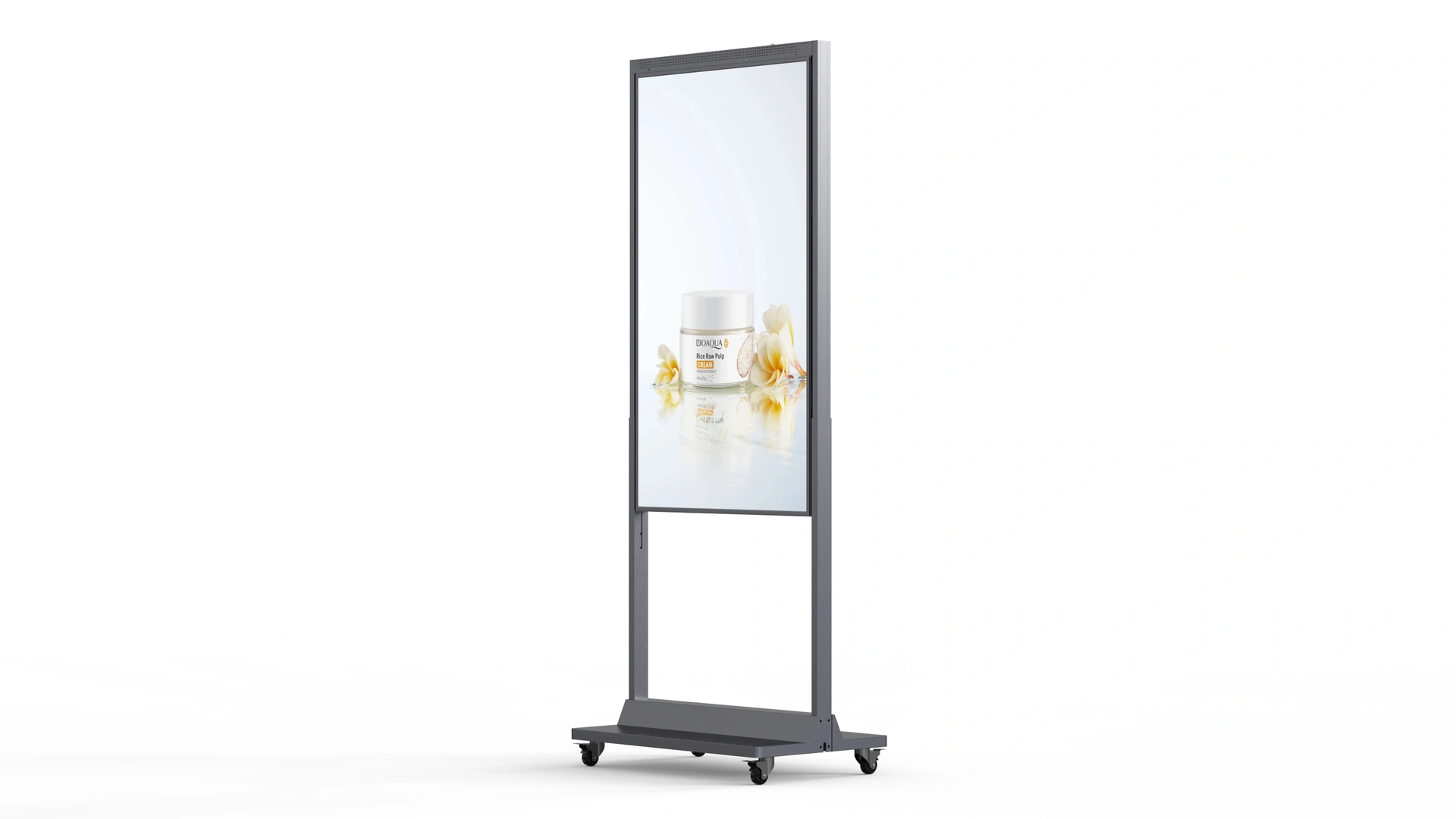
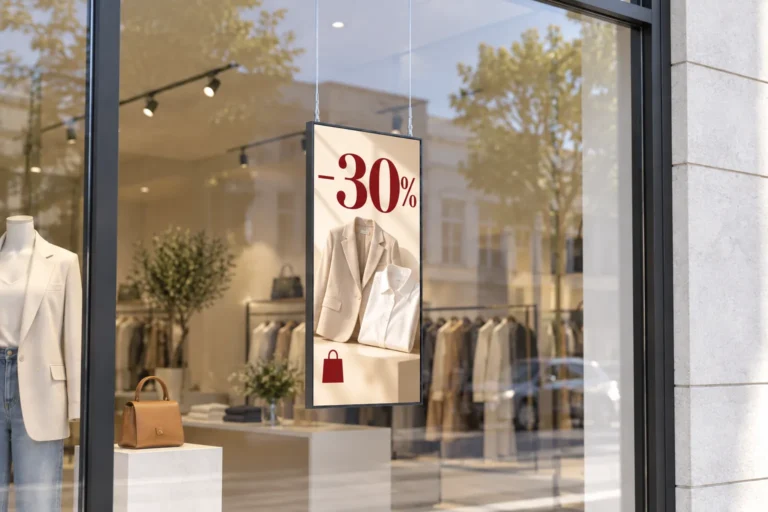
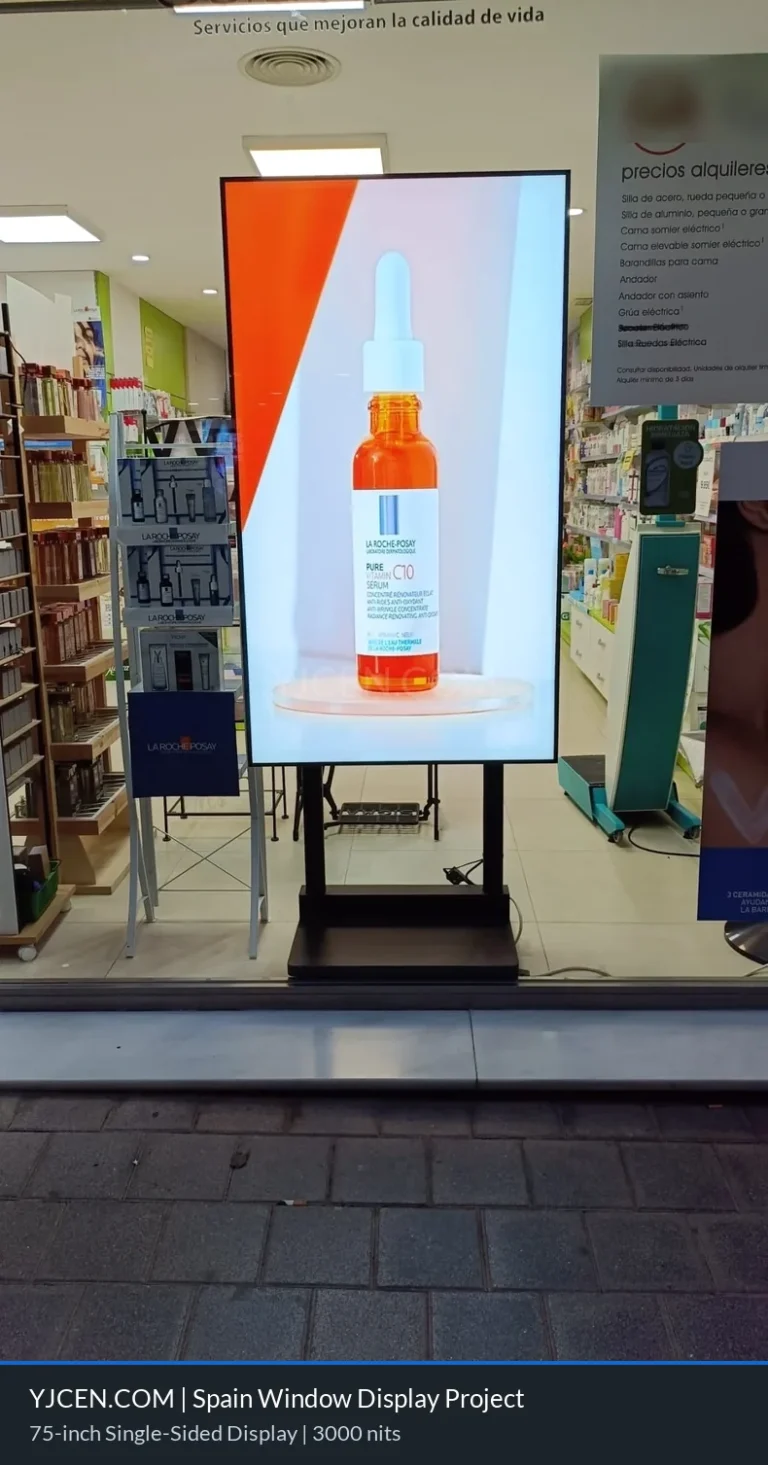
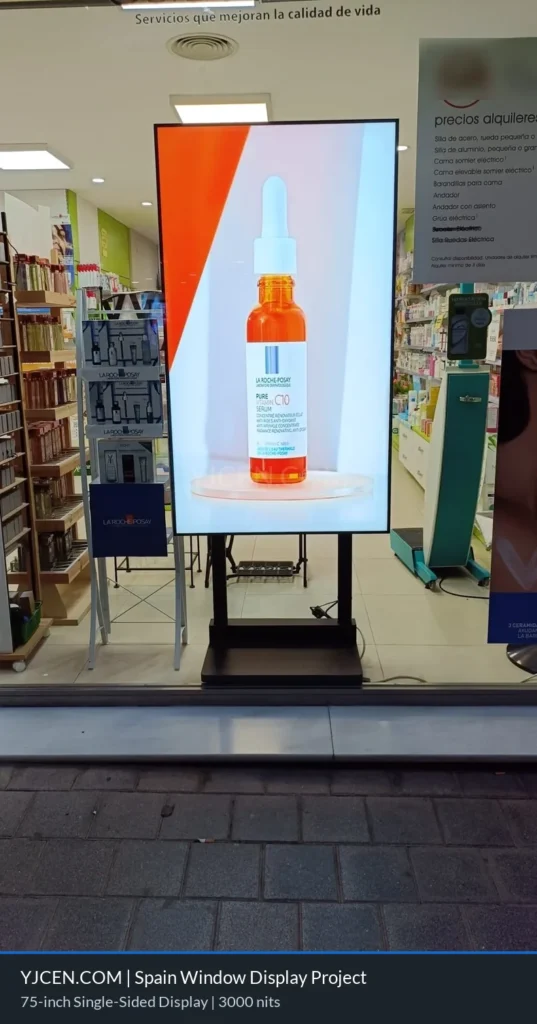
An integrator in Spain specified one YJCEN 75-inch Android window display for a retail promotion. The screen sits inside the store and faces outward through the glass, so the campaign is visible from the pavement without mounting a display on the outside of the building. The unit uses 3,000-nit brightness and a standard black floor stand, in portrait orientation.
The brief was a single, high-impact window position rather than a multi-screen rollout. The store wanted a screen that could carry a campaign image at close viewing distance, stay readable when the sun is on the glass, and be moved or re-aimed without a wall bracket. The integrator handled the content and the installation; YJCEN supplied the display and the floor stand.
Window brightness is usually a balance between the panel, the glass and the reflection. A 700-nit indoor screen can look washed out behind a bright shop window, while a 3,000-nit screen gives the image enough headroom for daylight. The higher brightness is not a substitute for glass treatment: if the window reflects a bright pavement or the sky, the content still needs contrast, a dark background and a layout that reads in a few seconds.
The 75-inch size was chosen for the window width and the viewing distance from the pavement. A smaller screen would have left too much empty glass; a larger screen would have dominated the frame and reduced the space around the product image. Portrait orientation matches the campaign artwork and the vertical shape of the window. The Android player is built into the display, so the integrator did not need a separate external player for a single screen.
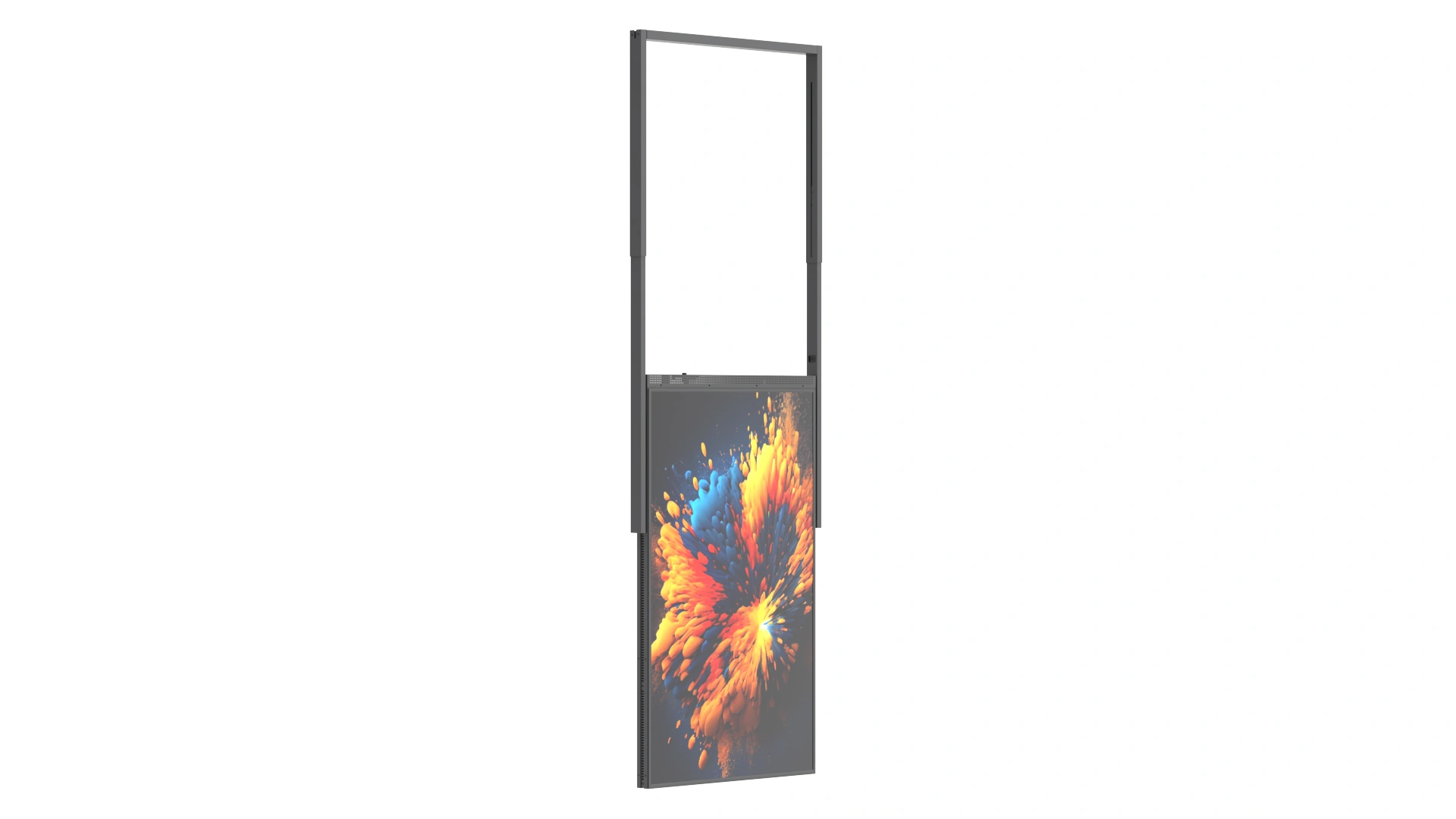
The floor stand keeps the installation simple. It sets the screen at a consistent height, hides the cable behind the frame and lets the store move the unit if the window layout changes. The install still needs a safe cable route, a socket near the stand and enough clearance for ventilation. The stand must be level and stable, and the screen should not block the shop entrance or the fire route.
Content is managed by the integrator on a scheduled loop. A single campaign can run for a fixed period, then switch to the next promotion without a site visit. The screen is portrait, so the artwork uses a vertical crop rather than a landscape image with large empty sides. The store checks the loop at the actual viewing angle from the pavement, not from inside the shop, because the glass changes the contrast and the reflection.
The project is a useful example of matching the display to the glass rather than choosing the brightest panel in isolation. It also shows why a single window screen can be a better first step than a full store rollout: the store can test the campaign, the content workflow and the customer response before committing to more positions.
For a similar window project, send the glass width and height, the distance from the glass to the pavement, the direction the window faces, the worst time of day for sun, and whether the content is portrait or landscape. Add the power location and a photo of the window from the street. Those details decide the size, brightness and stand more reliably than a catalogue number.
The integrator also had to coordinate the window itself. The floor stand needed a level base, a socket within reach of the cable and enough clearance behind the screen for ventilation. The screen height was set so the campaign sits at the eye line of a person on the pavement, not at the height that is convenient from inside the shop. The window frame, the blind and the shop's security shutter were checked before the stand was placed, because a screen that blocks the shutter or the opening is a problem after the first day.
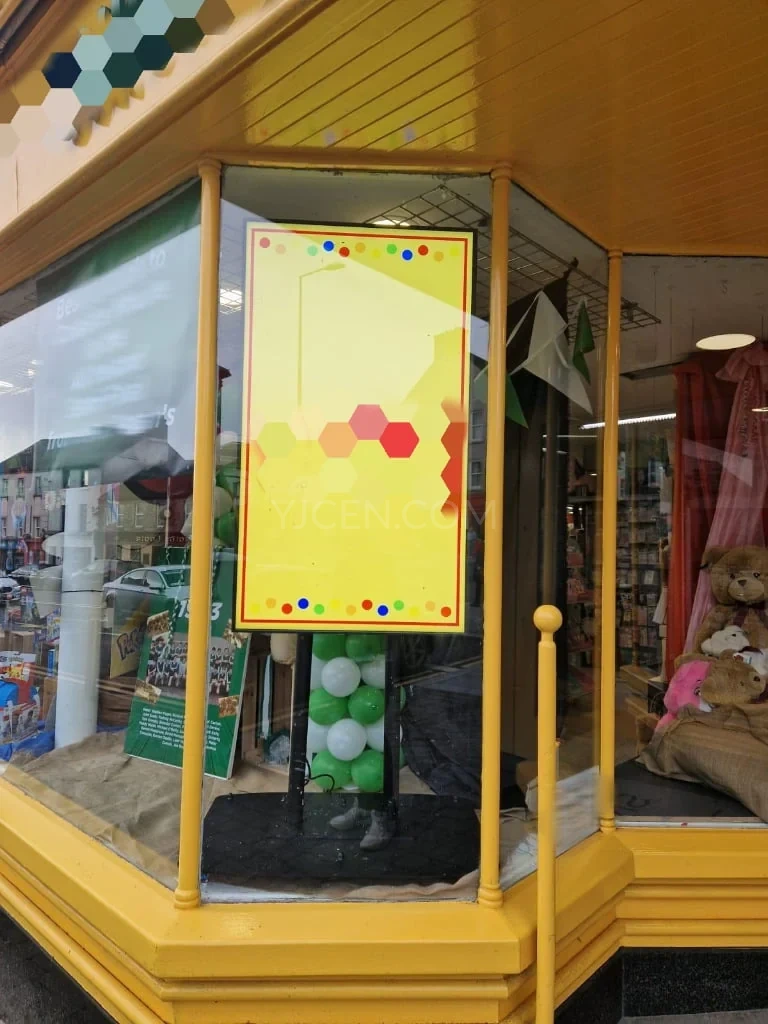
A window display is not an outdoor display. The screen is protected by the glass, so it does not need an IP65 enclosure or a weatherproof cabinet; it does need a bright panel, a matte or anti-glare surface and a content layout that survives reflections. The glass also traps heat, so the space behind the screen needs ventilation. The store should confirm that the screen does not obstruct the window's existing ventilation or alarm sensors.
Acceptance is a visual check at the worst hour, not a specification sheet. The integrator tested the campaign at the times when the sun hits the window, checked the image from the pavement and from inside the shop, and confirmed that the cable and stand were stable. The store team was shown how to switch the campaign and what to do if the player loses power. That handover is part of the project, not an afterthought.
The project is intentionally small: one screen, one window and one content owner. That makes it a useful pilot for a larger retail rollout, because the store can test the brightness, the content format and the update routine before adding more windows.
عرض المشروع