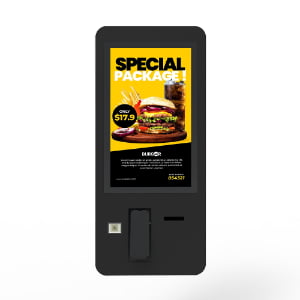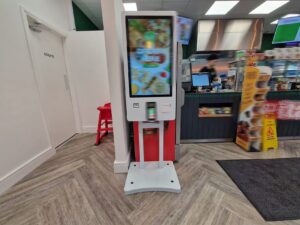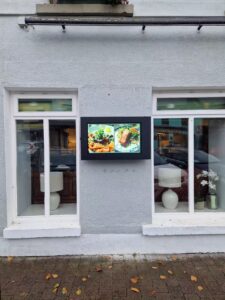

Digital menu boards have revolutionized the restaurant industry by transforming traditional static displays into dynamic, interactive ordering systems. These advanced display solutions enable restaurants to showcase their offerings with vibrant visuals, real-time updates, and enhanced customer engagement capabilities. The implementation of digital menu systems has proven to significantly boost ordering efficiency while providing businesses with flexible content management options. When evaluating digital menu boards price considerations, restaurants must weigh the initial investment against long-term operational benefits and increased revenue potential.

Modern digital menu board technology integrates seamlessly with point-of-sale systems, inventory management platforms, and customer relationship management tools. Restaurant operators can instantly modify pricing, remove out-of-stock items, and promote special offers without printing new materials. This operational flexibility translates directly into improved customer satisfaction and reduced wait times during peak service periods.
Enhanced Visual Appeal and Customer Engagement
Dynamic Content Presentation
Digital menu boards deliver superior visual impact compared to traditional printed menus through high-resolution displays, animated graphics, and strategic color schemes. These eye-catching presentations capture customer attention more effectively, leading to increased impulse purchases and higher average transaction values. Restaurant owners often discover that investing in quality digital displays yields measurable returns through enhanced customer engagement metrics.
The ability to showcase food photography, preparation videos, and nutritional information creates an immersive dining experience that influences purchasing decisions. Customers spend more time evaluating menu options when presented with appealing visual content, ultimately leading to more informed choices and increased satisfaction levels. Strategic content rotation keeps regular customers engaged while introducing new menu items effectively.
Real-Time Menu Modifications
Instant menu updates represent one of the most significant advantages of digital display systems over conventional signage. Restaurant managers can modify prices, descriptions, and availability status across multiple locations simultaneously through centralized content management platforms. This capability proves particularly valuable during promotional campaigns, seasonal menu changes, and inventory fluctuations.
The elimination of printing costs and installation delays associated with traditional menu updates contributes to overall operational efficiency. Staff members no longer need to manually replace signage during busy periods, allowing them to focus on customer service and food preparation activities. Digital systems also reduce waste generated by outdated printed materials, supporting sustainability initiatives.
Streamlined Ordering Process Optimization
Reduced Decision-Making Time
Digital menu boards significantly decrease customer decision-making time through organized information architecture and intuitive navigation systems. Clear categorization, prominent pricing displays, and highlighted promotional items guide customers through the ordering process more efficiently. When considering digital menu boards price factors, restaurants must evaluate how faster ordering translates into increased throughput during peak hours.
Interactive features such as touch-screen capabilities, dietary filtering options, and customization tools further enhance the ordering experience. Customers can quickly identify suitable menu items based on personal preferences, allergies, or dietary restrictions without requiring extensive staff assistance. This self-service functionality reduces labor requirements while maintaining high service quality standards.
Integration with Modern Payment Systems
Advanced digital menu systems integrate seamlessly with contactless payment technologies, mobile ordering platforms, and loyalty program management tools. These integrations create a cohesive customer journey from menu browsing through transaction completion. The resulting operational efficiency improvements justify digital menu boards price investments through reduced processing time and enhanced customer convenience.
Mobile app integration allows customers to browse menu options before arriving at the restaurant, pre-select items, and complete transactions through their preferred payment methods. This pre-ordering capability reduces queue lengths, minimizes wait times, and improves overall customer satisfaction scores. Restaurant operators benefit from predictable order volumes and enhanced inventory management capabilities.
Cost-Effectiveness and Return on Investment Analysis
Long-Term Financial Benefits
While initial digital menu boards price considerations may seem substantial, the long-term financial benefits typically outweigh upfront investment costs within 12-18 months of implementation. Operational savings include eliminated printing expenses, reduced labor costs for menu updates, and decreased waste disposal fees. These cumulative savings contribute significantly to improved profit margins over time.
Revenue enhancement opportunities through dynamic pricing strategies, upselling prompts, and promotional campaign effectiveness provide additional financial benefits. Digital systems enable data-driven pricing optimization based on demand patterns, seasonal variations, and competitive analysis. Restaurant owners can implement sophisticated revenue management strategies previously available only to large chain operations.
Operational Efficiency Improvements
Digital menu board implementations typically result in measurable operational efficiency gains across multiple business areas. Reduced order processing time increases table turnover rates, enabling restaurants to serve more customers during peak periods without expanding physical capacity. Staff productivity improvements occur when employees can focus on food preparation and customer service rather than manual menu management tasks.
Inventory management benefits include real-time stock level integration, automated item removal capabilities, and demand forecasting improvements. These features help reduce food waste, optimize purchasing decisions, and maintain consistent menu availability. The resulting cost savings and revenue protection contribute to favorable digital menu boards price justification calculations.
Technology Integration and Future-Proofing
Scalable System Architecture
Modern digital menu board solutions offer scalable architecture designed to accommodate business growth and technological advancement. Cloud-based content management systems enable multi-location management, centralized brand consistency, and remote monitoring capabilities. Restaurant chains benefit from standardized operations while maintaining local customization flexibility.
Integration capabilities extend beyond basic menu display functionality to encompass comprehensive restaurant management ecosystems. Advanced systems connect with kitchen display systems, inventory tracking platforms, customer feedback tools, and business intelligence dashboards. This interconnected approach maximizes the value proposition relative to digital menu boards price investments.
Emerging Technology Adoption
Future-ready digital menu systems incorporate emerging technologies such as artificial intelligence, machine learning algorithms, and predictive analytics capabilities. These advanced features enable personalized menu recommendations, dynamic pricing optimization, and customer behavior analysis. Early adopters gain competitive advantages through enhanced customer experiences and operational insights.
Voice recognition technology, augmented reality features, and IoT connectivity represent the next generation of digital menu board capabilities. Restaurants investing in adaptable systems position themselves to leverage these innovations as they become mainstream. The forward-looking approach ensures continued relevance and maximizes long-term digital menu boards price value realization.
Implementation Best Practices and Considerations
Strategic Planning and Deployment
Successful digital menu board implementation requires comprehensive planning that addresses technical requirements, staff training needs, and customer adaptation strategies. Restaurant operators should evaluate display placement optimization, viewing angles, and ambient lighting conditions to maximize visibility and readability. Professional installation ensures optimal performance and minimizes potential technical issues.
Content strategy development represents a critical success factor that influences customer engagement and operational efficiency outcomes. Menu organization, visual design principles, and information hierarchy decisions significantly impact user experience quality. Regular performance monitoring and iterative improvements help optimize system effectiveness over time.
Staff Training and Change Management
Comprehensive staff training programs ensure smooth transitions from traditional menu systems to digital platforms. Employees must understand content management procedures, troubleshooting protocols, and customer assistance techniques related to new technology. Well-trained staff members become valuable advocates who help customers navigate digital ordering processes effectively.
Change management strategies should address potential customer resistance, technical learning curves, and operational workflow modifications. Gradual implementation phases allow restaurants to identify and resolve issues before full system deployment. This methodical approach minimizes disruption while maximizing adoption success rates and digital menu boards price return on investment.
FAQ
What factors influence digital menu boards price ranges
Digital menu boards price variations depend on display size, resolution quality, interactive capabilities, software licensing, and installation complexity. Basic static displays typically cost less than interactive touch-screen systems with advanced integration features. Professional installation, ongoing maintenance contracts, and content management platform subscriptions contribute to total ownership costs.
How long does it take to see return on investment from digital menu boards
Most restaurants experience positive return on investment within 12-18 months through operational savings, increased sales, and improved efficiency. Factors affecting ROI timeline include initial digital menu boards price, implementation quality, staff adoption rates, and customer response levels. High-traffic locations typically achieve faster payback periods due to increased transaction volumes.
Can digital menu boards integrate with existing restaurant technology systems
Modern digital menu board solutions offer extensive integration capabilities with point-of-sale systems, inventory management platforms, and customer relationship management tools. API connectivity enables real-time data synchronization, automated content updates, and comprehensive reporting functionality. Professional system integrators can customize connections based on specific operational requirements.
What maintenance requirements do digital menu boards have
Digital menu board maintenance includes regular software updates, display cleaning, hardware diagnostics, and content backup procedures. Most systems feature remote monitoring capabilities that enable proactive maintenance scheduling and technical support. Preventive maintenance contracts help ensure optimal performance while minimizing unexpected digital menu boards price implications from emergency repairs.