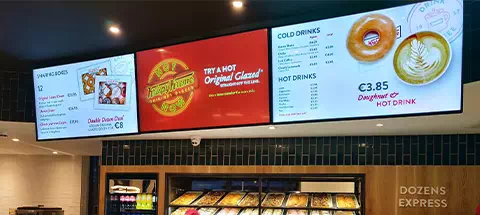
Seasonal marketing campaigns drive significant revenue for restaurants, cafes, and food service establishments. When planning promotional strategies for holidays, weather changes, or special events, businesses need flexible display solutions that can adapt quickly to new content demands. Understanding digital menu boards price considerations becomes crucial for establishments looking to implement dynamic seasonal advertising without exceeding their marketing budgets.

Modern digital display technology offers restaurant owners unprecedented control over their promotional content. Unlike traditional printed menus that require costly reprinting for seasonal changes, digital solutions enable instant updates across multiple locations. The investment in smart display technology pays dividends through reduced printing costs, increased customer engagement, and the ability to implement time-sensitive promotions that maximize profit margins during peak seasonal periods.
Strategic seasonal customization requires careful planning of content schedules, visual design elements, and promotional timing. Successful restaurants leverage digital menu technology to create immersive experiences that align with customer expectations during specific seasons. Whether highlighting warm comfort foods during winter months or refreshing beverages during summer heat waves, digital displays provide the flexibility needed to stay competitive in rapidly changing markets.
Strategic Planning for Seasonal Digital Menu Campaigns
Content Calendar Development for Maximum Impact
Creating effective seasonal campaigns begins with comprehensive content calendar planning that spans the entire business year. Restaurant managers must identify key promotional periods, including major holidays, local events, weather pattern changes, and industry-specific peak seasons. This forward-thinking approach ensures that digital menu content aligns with customer purchasing behaviors and maximizes revenue opportunities during high-traffic periods.
Successful content calendars integrate multiple promotional layers, combining holiday themes with limited-time offers, seasonal ingredient availability, and special event tie-ins. Digital menu boards price considerations should factor in the frequency of content updates, as more dynamic campaigns may require additional design resources or content management tools. Planning promotional sequences months in advance allows restaurants to negotiate better rates with graphic designers and content creators.
Advanced scheduling features in modern digital menu systems enable automatic content rotation based on predetermined timelines. This automation reduces staff workload while ensuring consistent promotional messaging across all display screens. Restaurant owners can prepare multiple seasonal campaigns simultaneously, testing different approaches and measuring customer response rates to optimize future promotional strategies.
Target Audience Analysis and Seasonal Preferences
Understanding customer demographics and seasonal purchasing patterns forms the foundation of effective digital menu customization strategies. Different age groups, income levels, and lifestyle preferences influence how customers respond to seasonal promotions. Analyzing historical sales data reveals valuable insights about which menu items perform best during specific seasons, enabling more targeted promotional campaigns that drive higher conversion rates.
Seasonal preference mapping helps restaurants identify opportunities for cross-selling and upselling during peak promotional periods. For example, customers ordering hot beverages during cold weather may be more receptive to pastry add-ons or warming appetizers. Digital menu boards provide the flexibility to highlight complementary items through strategic placement and visual emphasis, increasing average transaction values.
Geographic location significantly impacts seasonal preferences, with coastal regions showing different patterns compared to inland areas. Restaurant chains operating across multiple climates must customize their digital menu content to reflect local seasonal variations. This localization strategy requires careful consideration of digital menu boards price factors, as different locations may need unique content creation and management approaches.
Visual Design Elements for Seasonal Engagement
Color Psychology and Seasonal Associations
Color selection plays a critical role in creating emotional connections between customers and seasonal menu offerings. Warm oranges, deep reds, and golden yellows evoke autumn comfort and harvest abundance, while cool blues, crisp whites, and silver tones communicate winter freshness and holiday elegance. Spring campaigns benefit from fresh greens, soft pastels, and vibrant florals that suggest renewal and growth, while summer promotions leverage bright yellows, tropical blues, and energetic coral shades.
Professional color theory application ensures that seasonal digital menu designs maintain brand consistency while adapting to promotional themes. Restaurants must balance seasonal color palettes with existing brand guidelines to avoid confusing customers or diluting brand recognition. Digital display technology offers precise color reproduction capabilities that enable subtle gradients and sophisticated color combinations not possible with traditional printed materials.
Contrast ratios and readability considerations become even more important when implementing seasonal color schemes. Darker winter themes may require adjustments to text colors and background elements to maintain optimal visibility across different viewing angles and lighting conditions. Testing seasonal designs across various digital menu board models ensures consistent visual impact regardless of screen size or display technology.
Typography and Seasonal Messaging Strategies
Font selection and typography treatments significantly impact how customers perceive seasonal promotional messages. Script fonts and decorative typefaces can enhance holiday themes, while clean sans-serif options maintain readability for detailed menu information. Seasonal typography should complement the overall visual hierarchy, ensuring that promotional items receive appropriate emphasis without overwhelming core menu categories.
Dynamic typography effects available through digital menu platforms enable animated text treatments that capture customer attention during busy service periods. Subtle animations, such as gentle color transitions or scaling effects, can highlight seasonal specials without creating distracting motion that interferes with menu readability. These advanced features often influence digital menu boards price calculations, as more sophisticated display capabilities require higher-performance hardware.
Multilingual considerations become increasingly important for restaurants serving diverse communities during seasonal celebrations. Digital menu systems must accommodate different text lengths, character sets, and reading patterns while maintaining consistent visual appeal across all supported languages. This flexibility ensures that seasonal promotions reach broader customer segments and maximize revenue potential during peak promotional periods.
Technology Integration and Content Management
Cloud-Based Content Distribution Systems
Modern digital menu management relies heavily on cloud-based platforms that enable instant content updates across multiple locations. These systems provide centralized control over seasonal campaigns, allowing restaurant chains to maintain consistent promotional messaging while accommodating local customizations. Cloud infrastructure eliminates the need for individual location visits to update menu content, significantly reducing operational costs and implementation timeframes.
Advanced content management features include user permission controls, approval workflows, and scheduled publishing capabilities that streamline seasonal campaign deployment. Marketing teams can prepare promotional content weeks in advance, scheduling automatic activation dates that coincide with specific seasonal events or marketing initiatives. This automation ensures perfect timing for seasonal launches while reducing the risk of human error in campaign execution.
Integration with point-of-sale systems enables real-time inventory tracking and automatic menu updates based on product availability. During seasonal campaigns featuring limited-time offerings, these integrations prevent customer disappointment by automatically removing sold-out items from display menus. The sophistication of these integration capabilities often impacts digital menu boards price structures, as more advanced connectivity requires premium software licensing and support services.
Interactive Features and Customer Engagement Tools
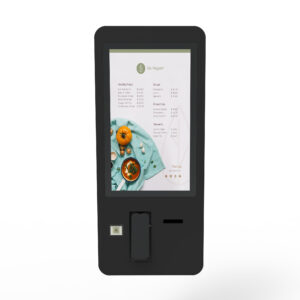
Touch-screen capabilities transform digital menu boards from passive displays into interactive customer engagement platforms. During seasonal campaigns, interactive elements can provide detailed information about promotional items, ingredient sourcing stories, or nutritional data that helps customers make informed purchasing decisions. These engagement features create memorable experiences that encourage repeat visits and positive word-of-mouth recommendations.
Gamification elements, such as seasonal trivia questions or promotional games, can increase customer dwell time and create entertaining experiences while waiting for service. Interactive polls about favorite seasonal flavors or upcoming menu preferences provide valuable customer insights while making patrons feel involved in restaurant decision-making processes. These features require careful balance to avoid overwhelming primary menu functionality.
Social media integration enables customers to share seasonal menu experiences directly from digital menu interfaces. Built-in photo sharing, review submission, and social media posting features extend promotional reach beyond the physical restaurant location. Analytics tracking for these interactive features provides detailed insights into customer engagement patterns, helping restaurants optimize future seasonal campaigns for maximum effectiveness.
Implementation Timeline and Budget Considerations
Phased Deployment Strategies for Multi-Location Operations
Large restaurant chains benefit from systematic phased deployment approaches that minimize operational disruption while maximizing learning opportunities. Initial pilot programs in select high-traffic locations provide valuable data about customer response rates, technical performance, and operational workflow impacts. These pilot results inform broader deployment strategies and help refine digital menu boards price negotiations with technology vendors.
Successful phased deployments typically begin with corporate flagship locations that have dedicated technical support resources and experienced management teams. Early adopter locations serve as training grounds for staff education and troubleshooting procedures before expanding to franchise locations or smaller venues. This measured approach reduces implementation risks and ensures consistent quality standards across all participating locations.
Seasonal timing considerations influence optimal deployment schedules, with many restaurants preferring installations during slower business periods to minimize customer service disruptions. Planning digital menu board installations several months before major seasonal campaigns allows sufficient time for staff training, content creation, and system optimization. This preparation timeline ensures that technology investments deliver maximum value during peak revenue periods.
Return on Investment Calculations and Performance Metrics
Measuring the financial impact of digital menu board investments requires comprehensive tracking of multiple performance indicators beyond simple sales increases. Key metrics include average transaction values, customer engagement duration, promotional item attachment rates, and operational efficiency improvements. These diverse measurements provide a complete picture of how digital menu technology impacts overall business performance.
Cost savings from eliminated printing expenses, reduced menu update labor, and improved inventory management contribute significantly to positive return on investment calculations. Digital menu boards price analysis must consider these ongoing operational benefits alongside initial hardware and software investments. Many restaurants achieve break-even points within 12-18 months when accounting for comprehensive cost savings and revenue improvements.
Long-term value considerations include technology lifespan, upgrade pathways, and scalability options that extend investment returns over multiple years. Modern digital menu systems typically provide 5-7 years of reliable service with periodic software updates and occasional hardware refreshes. Planning for future expansion capabilities ensures that initial technology investments continue delivering value as business needs evolve and customer expectations advance.
FAQ
How much does it typically cost to implement digital menu boards for seasonal promotions
Digital menu boards price ranges vary significantly based on screen size, display technology, and software capabilities, typically starting around $500 for basic single-screen setups and reaching $3000 or more for premium interactive displays with advanced management features. Most restaurants find that mid-range systems priced between $1200-2500 provide optimal value for seasonal promotional campaigns, offering sufficient flexibility and quality without excessive complexity. Total implementation costs should include content creation, installation, training, and ongoing software subscription fees.
What are the most effective seasonal themes for digital menu board customization
Successful seasonal themes align with both weather patterns and cultural celebrations, with autumn harvest themes, winter comfort foods, spring renewal concepts, and summer freshness campaigns showing consistently strong customer response rates across diverse restaurant types. Holiday-specific customizations for major celebrations like Christmas, Halloween, Valentine’s Day, and Independence Day typically generate 15-25% higher engagement rates compared to generic seasonal approaches. The most effective themes combine visual elements, menu item selections, and promotional pricing strategies that create cohesive customer experiences.
How frequently should digital menu content be updated during seasonal campaigns
Optimal update frequency depends on campaign complexity and customer traffic patterns, with most successful restaurants updating promotional content weekly during active seasonal campaigns and implementing major theme changes monthly or bi-monthly. High-traffic locations may benefit from daily specials or limited-time offers that create urgency and encourage repeat visits, while smaller establishments typically see better results with more stable messaging that allows customers to become familiar with seasonal offerings. Content management systems should enable flexible scheduling that accommodates both planned updates and responsive changes based on inventory or customer feedback.
What technical specifications are most important for seasonal digital menu board performance
Essential technical specifications include high-resolution displays capable of 1080p or 4K output for crisp text and image clarity, reliable internet connectivity for cloud-based content updates, and sufficient processing power to handle animated content and interactive features without lag. Screen brightness ratings of at least 350 nits ensure visibility in various lighting conditions, while wide viewing angles maintain readability for customers approaching from different positions. Commercial-grade displays designed for continuous operation provide better longevity and performance compared to consumer television screens, justifying higher initial costs through reduced maintenance requirements and extended service life.