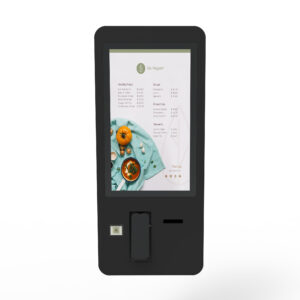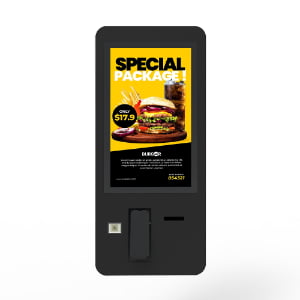
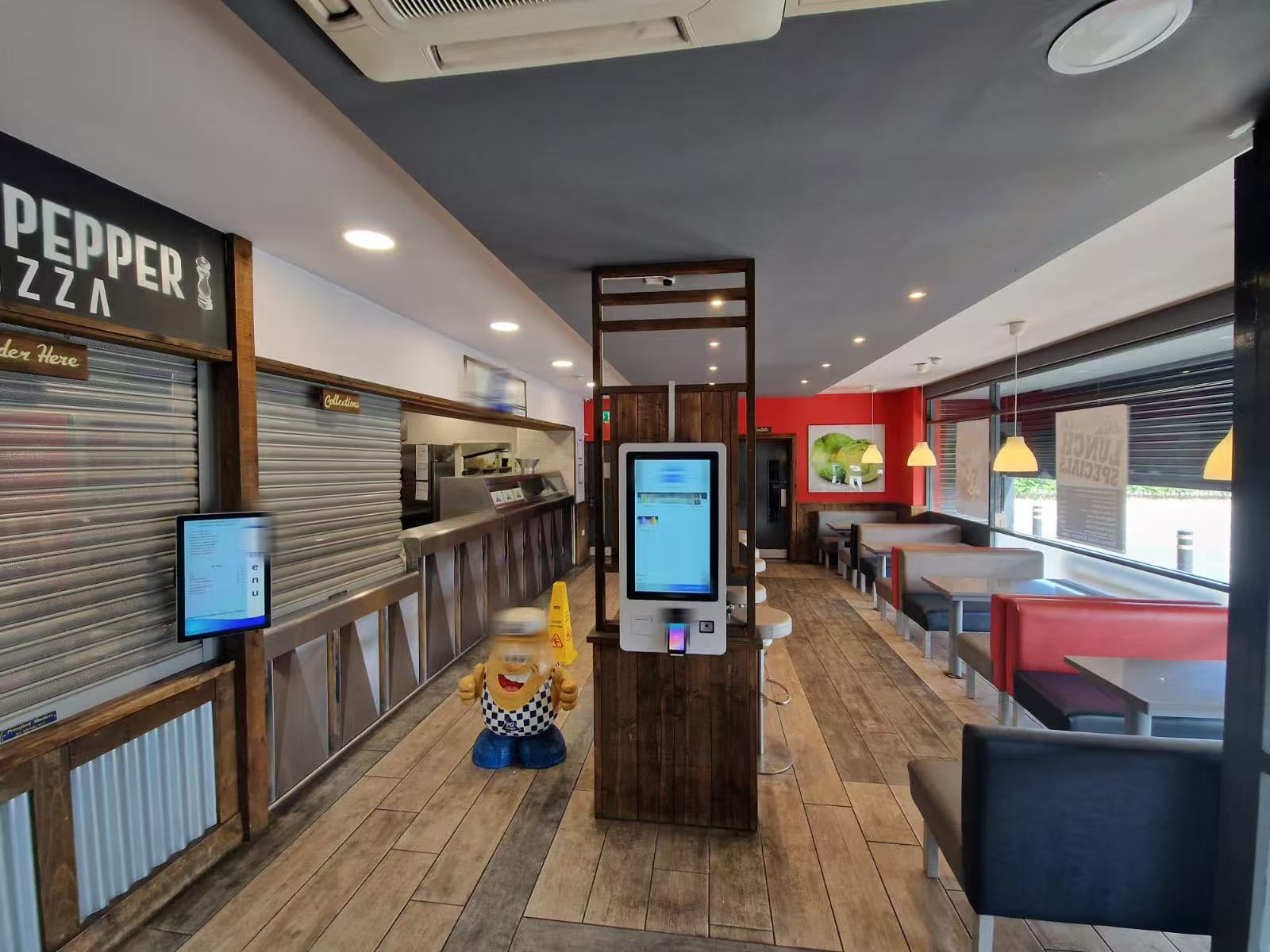
The modern dining industry has witnessed a remarkable transformation in recent years, with technology playing an increasingly vital role in enhancing operational efficiency and customer experience. Among the most significant innovations gaining widespread adoption is the implementation of automated ordering systems that allow patrons to independently manage their dining experience. A self service kiosk for restaurants represents a revolutionary approach to food service management, offering establishments an opportunity to streamline operations while providing customers with greater control over their ordering process. These sophisticated systems have evolved from simple touch-screen interfaces to comprehensive platforms that integrate seamlessly with existing restaurant management systems, payment processors, and kitchen display units.
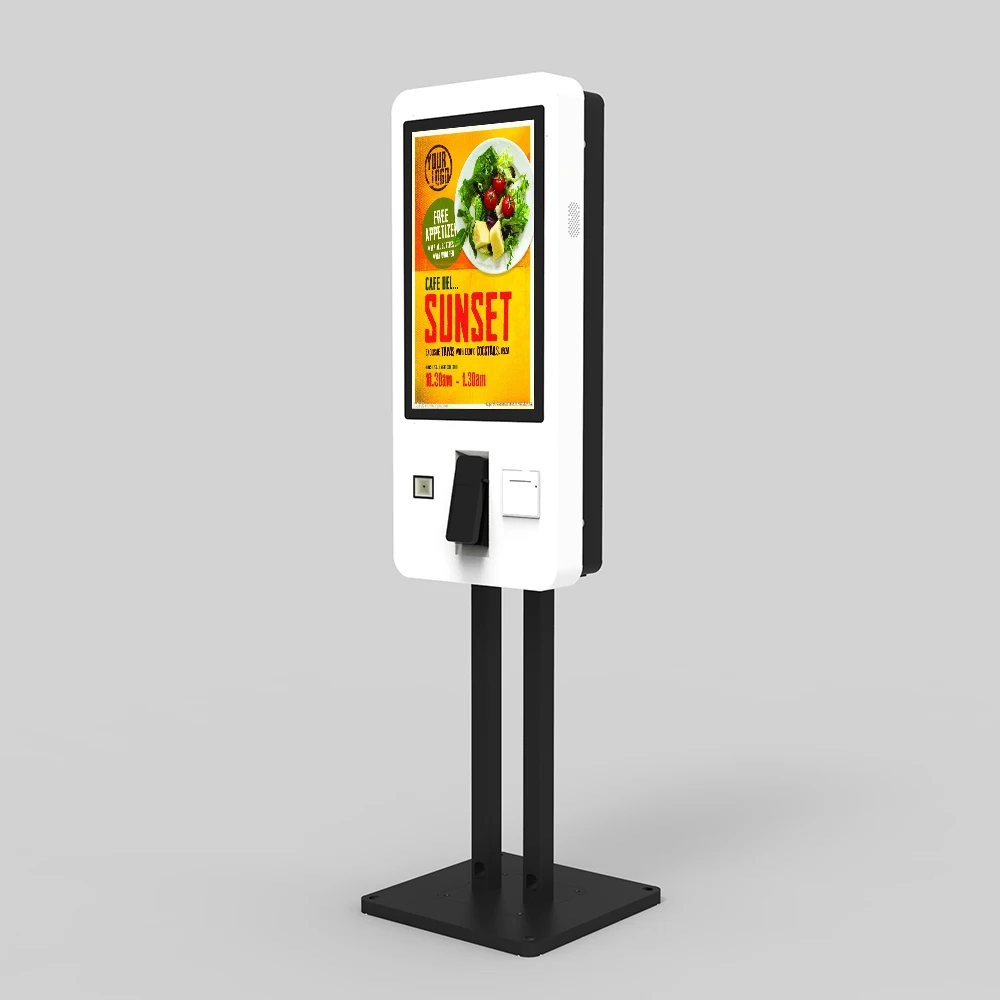
The emergence of these automated ordering solutions has fundamentally changed how restaurants interact with their customers, creating new opportunities for business growth and operational optimization. Restaurant owners are discovering that implementing a self service kiosk for restaurants not only addresses common challenges such as labor shortages and order accuracy but also opens doors to enhanced customer engagement and increased revenue streams. The technology has proven particularly valuable in high-volume establishments where speed and accuracy are paramount to maintaining customer satisfaction and maximizing throughput during peak hours.
Enhanced Operational Efficiency and Cost Management
Streamlined Labor Allocation and Resource Optimization
The implementation of automated ordering systems enables restaurant operators to optimize their workforce allocation more effectively than traditional service models. By deploying a self service kiosk for restaurants, establishments can redirect human resources from order-taking responsibilities to food preparation, customer service, and quality assurance activities. This strategic reallocation allows restaurants to maintain optimal staffing levels while ensuring that skilled employees focus on tasks that directly impact food quality and customer satisfaction.
Modern restaurants face increasing pressure to manage labor costs while maintaining service quality, particularly in markets experiencing significant wage inflation and workforce shortages. Self-service ordering technology addresses these challenges by reducing dependency on front-of-house staff for routine transactions. Restaurant managers report significant improvements in operational efficiency when employees can concentrate on food preparation and customer engagement rather than managing repetitive order-taking processes.
The technology also enables restaurants to operate effectively during staffing shortages without compromising customer service quality. When properly implemented, a self service kiosk for restaurants can handle multiple orders simultaneously, reducing wait times and maintaining consistent service levels even when human staff availability is limited. This operational flexibility proves invaluable during unexpected staffing challenges or high-demand periods when traditional service models might struggle to maintain adequate service levels.
Reduced Order Processing Errors and Improved Accuracy
Order accuracy represents a critical factor in customer satisfaction and operational efficiency, with incorrect orders leading to food waste, customer dissatisfaction, and increased operational costs. Self-service ordering systems eliminate common communication errors that occur during traditional order-taking processes, ensuring that customer selections are transmitted accurately to kitchen staff and payment processors.
The digital interface of a self service kiosk for restaurants provides customers with visual confirmation of their selections, allowing them to review and modify orders before finalizing their purchases. This verification process significantly reduces the likelihood of misunderstandings or miscommunications that commonly occur in verbal ordering situations, particularly in noisy environments or when language barriers exist between staff and customers.
Restaurant operators frequently report substantial improvements in order accuracy following the implementation of self-service systems. These improvements translate directly into reduced food waste, fewer customer complaints, and decreased costs associated with remaking incorrect orders. The cumulative impact of improved accuracy extends beyond immediate cost savings to encompass enhanced customer loyalty and positive brand perception.
Superior Customer Experience and Engagement
Personalized Ordering Experience and Customization Options
Contemporary consumers increasingly expect personalized experiences across all service interactions, and restaurant dining represents no exception to this trend. A self service kiosk for restaurants enables establishments to provide highly customized ordering experiences that cater to individual preferences, dietary restrictions, and specific requirements. The technology allows customers to explore menu options at their own pace, access detailed ingredient information, and make informed decisions without feeling rushed or pressured.
The interactive nature of self-service systems enables restaurants to present menu items with high-quality images, detailed descriptions, and nutritional information that might be difficult to communicate effectively through traditional ordering methods. Customers can easily navigate through available options, explore customization possibilities, and build their ideal meals according to personal preferences and dietary needs.
Advanced self-service platforms can integrate with loyalty programs and customer relationship management systems to provide personalized recommendations based on previous orders and preferences. This level of personalization enhances customer satisfaction while encouraging repeat visits and higher average order values through targeted upselling and cross-selling opportunities.
Reduced Wait Times and Improved Service Speed
Speed of service represents a fundamental component of customer satisfaction in modern restaurant environments, where consumers often prioritize efficiency alongside food quality. Self-service ordering systems enable multiple customers to place orders simultaneously, eliminating traditional bottlenecks associated with single-point ordering processes. A self service kiosk for restaurants can process orders continuously without breaks or delays, maintaining consistent service speed throughout operating hours.
The technology proves particularly beneficial during peak dining periods when traditional ordering systems often become overwhelmed. Customers can begin placing their orders immediately upon arrival without waiting for staff availability, significantly reducing perceived wait times and improving overall satisfaction levels. This improved efficiency enables restaurants to serve more customers during busy periods while maintaining service quality standards.
Restaurant operators report that self-service systems help manage customer flow more effectively, reducing crowding around service counters and creating a more comfortable dining environment. The streamlined ordering process allows establishments to handle higher customer volumes without requiring proportional increases in front-of-house staffing levels.
Revenue Enhancement and Business Growth Opportunities
Increased Average Order Values Through Strategic Upselling
Self-service ordering systems provide restaurants with powerful tools for increasing revenue through strategic upselling and cross-selling opportunities. The digital interface allows establishments to present upgrade options, complementary items, and promotional offers at optimal moments during the ordering process. A self service kiosk for restaurants can systematically suggest relevant additions based on customer selections, leading to higher average transaction values.
The visual presentation capabilities of self-service systems enable restaurants to showcase premium items and limited-time offers more effectively than traditional ordering methods. High-quality product images and compelling descriptions can influence customer decisions, encouraging them to explore higher-value menu options they might not have considered otherwise.
Research indicates that customers using self-service ordering systems typically spend more per transaction compared to traditional ordering methods. The absence of time pressure and social interaction allows customers to explore menu options more thoroughly, often resulting in larger orders and increased willingness to try new items or upgrades.
Data Collection and Analytics for Business Intelligence
Modern self-service systems provide restaurants with comprehensive data collection capabilities that enable informed business decisions and strategic planning. Every interaction with a self service kiosk for restaurants generates valuable information about customer preferences, ordering patterns, peak usage times, and popular menu combinations. This data proves invaluable for menu optimization, inventory management, and marketing strategy development.
The analytics capabilities of self-service systems enable restaurant operators to identify trends, monitor performance metrics, and make data-driven decisions about menu changes, pricing strategies, and promotional campaigns. This level of business intelligence was previously difficult or impossible to obtain through traditional ordering methods.
Advanced analytics can reveal insights about customer behavior, seasonal trends, and regional preferences that help restaurants optimize their operations and marketing efforts. The ability to track customer interactions and preferences over time enables establishments to develop more effective loyalty programs and targeted marketing campaigns.
Technology Integration and Future-Ready Operations
Seamless Integration with Existing Restaurant Technology
Contemporary restaurant operations rely on integrated technology ecosystems that encompass point-of-sale systems, kitchen display units, inventory management platforms, and customer relationship management tools. A self service kiosk for restaurants must integrate seamlessly with these existing systems to provide maximum operational benefits without disrupting established workflows.
Modern self-service solutions are designed with compatibility in mind, featuring application programming interfaces and integration capabilities that allow smooth communication with popular restaurant management systems. This integration ensures that orders placed through self-service kiosks flow automatically to kitchen displays, update inventory counts, and contribute to comprehensive reporting systems.
The technology also supports integration with payment processing systems, loyalty programs, and marketing automation platforms, creating a unified customer experience across all touchpoints. This comprehensive integration enables restaurants to maintain consistent branding and service quality regardless of how customers choose to interact with the establishment.
Scalability and Adaptation for Growing Businesses
Restaurant businesses must consider long-term scalability when investing in technology solutions, ensuring that systems can grow and adapt alongside business expansion. Self-service ordering systems offer excellent scalability options, allowing establishments to add additional units, expand functionality, or integrate new features as business needs evolve.
The modular nature of modern self service kiosk for restaurants enables operators to start with basic functionality and gradually add advanced features such as multilingual support, accessibility options, or specialized payment methods. This flexibility allows restaurants to manage implementation costs while building toward more comprehensive solutions over time.
Cloud-based platforms provide additional scalability benefits, enabling restaurants to manage multiple locations from centralized dashboards, update menu information across all units simultaneously, and implement system-wide changes efficiently. This centralized management capability proves particularly valuable for restaurant chains or multi-location operators.
Health Safety and Hygiene Considerations
Contactless Ordering and Reduced Physical Interaction
The global emphasis on health and safety has heightened awareness of contactless service options in restaurant environments. Self-service ordering systems provide customers with alternatives to traditional face-to-face interactions, reducing potential exposure risks while maintaining service quality. A self service kiosk for restaurants enables establishments to offer safe ordering options that align with contemporary health consciousness and customer preferences.
Advanced self-service systems incorporate touchless interaction capabilities, including voice recognition, mobile device integration, and gesture-based controls. These features enable customers to place orders without physical contact with shared surfaces, addressing health concerns while providing convenient ordering experiences.
The technology also supports mobile ordering integration, allowing customers to use personal devices to interact with restaurant systems. This approach eliminates shared touchscreen concerns while providing familiar interfaces that customers already understand and trust.
Enhanced Sanitation and Maintenance Protocols
Self-service systems enable restaurants to implement more consistent and thorough sanitation protocols compared to traditional service areas that involve frequent staff and customer interactions. The defined interaction points of a self service kiosk for restaurants allow for systematic cleaning schedules and monitoring procedures that ensure consistent hygiene standards.
Modern kiosk hardware incorporates antimicrobial surfaces and easy-to-clean materials that support regular sanitization without compromising functionality or appearance. These design considerations enable restaurants to maintain high cleanliness standards while providing reliable service technology.
The reduced need for physical cash handling and receipt printing in self-service systems also contributes to improved hygiene standards. Digital payment processing and electronic receipt options eliminate common sources of contamination while streamlining transaction processes.
FAQ
How much do self service kiosks typically cost for restaurants
The cost of implementing a self service kiosk for restaurants varies significantly based on hardware specifications, software features, and integration requirements. Basic systems typically range from $3,000 to $8,000 per unit, while advanced platforms with comprehensive features may cost $10,000 to $15,000 or more. Ongoing expenses include software licensing, maintenance contracts, and payment processing fees, which should be factored into total cost calculations. Many providers offer leasing options or subscription-based models that reduce initial capital requirements while spreading costs over time.
What technical support is required for restaurant self service kiosks
Self service kiosk for restaurants systems require minimal technical expertise for daily operations, but establishments should ensure access to reliable technical support for setup, troubleshooting, and maintenance activities. Most providers offer comprehensive support packages including installation assistance, staff training, remote monitoring capabilities, and on-site service when necessary. Regular software updates, hardware maintenance, and integration support are typically included in service agreements, ensuring optimal performance and minimal downtime.
How do self service kiosks handle special dietary requirements and allergies
Modern self service kiosk for restaurants systems incorporate sophisticated menu management capabilities that display detailed ingredient information, allergen warnings, and customization options. Customers can filter menu items based on dietary restrictions, view nutritional information, and make specific modifications to accommodate personal requirements. The systems can highlight potential allergens and provide clear warnings when customers select items that may conflict with indicated preferences. This detailed information presentation helps customers make informed decisions while reducing liability concerns for restaurant operators.
Can self service kiosks operate during power outages or internet disruptions
Self service kiosk for restaurants systems typically include backup power options and offline functionality to maintain operations during temporary disruptions. Battery backup systems can provide several hours of operation during power outages, while local data storage capabilities enable continued order processing even when internet connectivity is compromised. Orders placed during offline periods are automatically synchronized with central systems once connectivity is restored, ensuring no transactions are lost and operations can continue with minimal interruption.