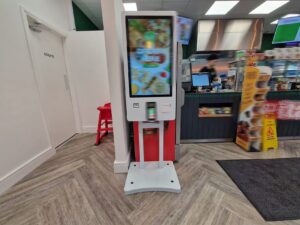
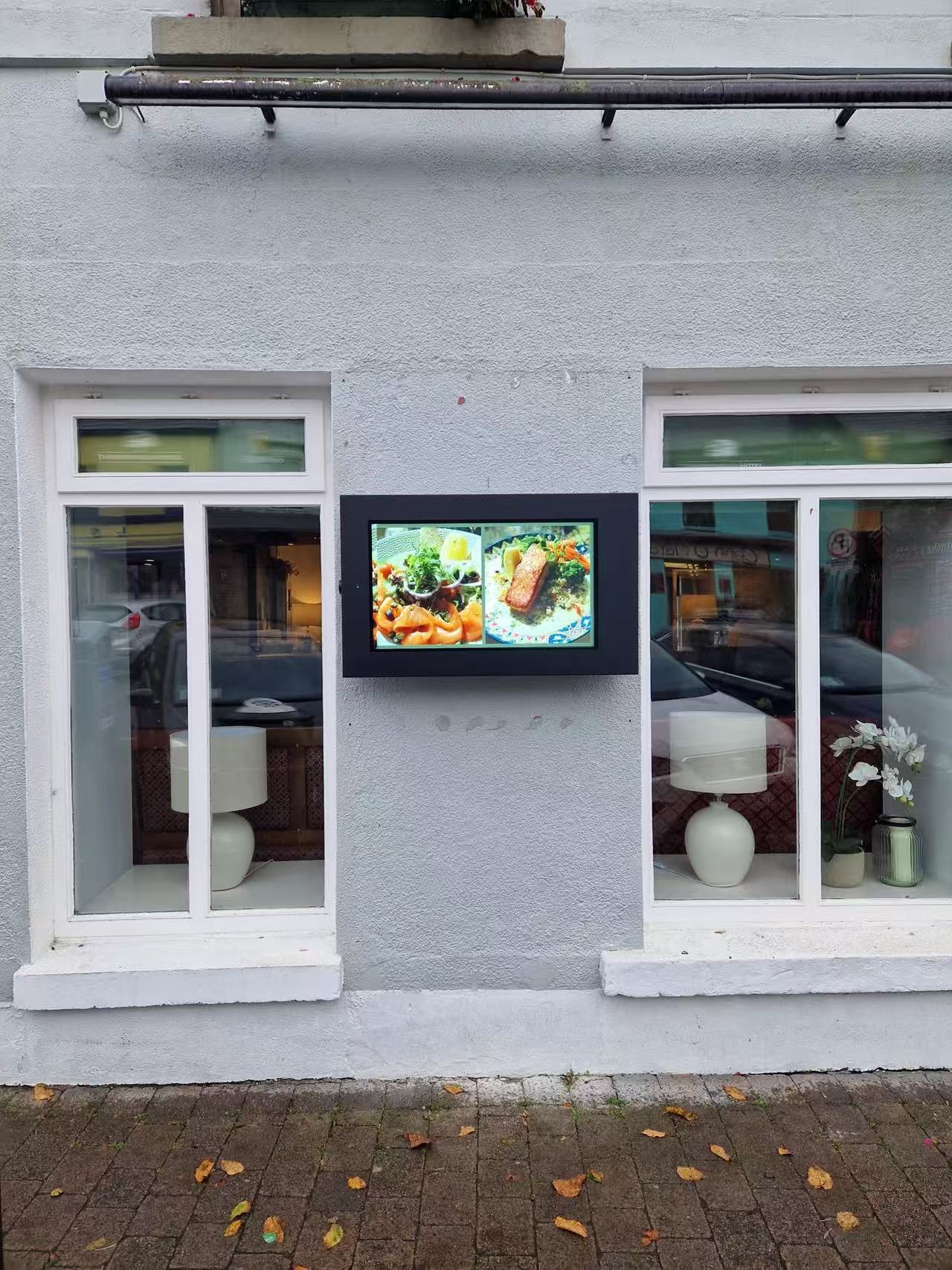
The rapid evolution of digital marketing has transformed how businesses communicate with their target audiences. Today’s consumers expect engaging, dynamic content that captures their attention in increasingly crowded marketplaces. Mobile advertising displays have emerged as a powerful solution for organizations seeking to maximize their marketing impact while maintaining flexibility in their promotional strategies. These versatile digital signage solutions offer unprecedented opportunities for businesses across various sectors to enhance brand visibility, improve customer engagement, and drive meaningful results through strategic outdoor advertising initiatives.

Modern outdoor display technology has revolutionized the advertising landscape, providing businesses with sophisticated tools to reach consumers at critical decision-making moments. The integration of weather-resistant features, high-brightness capabilities, and advanced connectivity options has made outdoor digital signage an indispensable component of comprehensive marketing strategies. Industries ranging from retail and hospitality to transportation and healthcare are discovering the transformative potential of strategically deployed outdoor display systems.
Retail and Commercial Sectors Leading Digital Transformation
Shopping Centers and Malls
Shopping centers have become pioneers in adopting mobile advertising displays to enhance the customer experience and drive foot traffic to individual retailers. These establishments utilize large-format outdoor screens to showcase promotional content, directory information, and entertainment programming that keeps visitors engaged throughout their shopping journey. The dynamic nature of digital displays allows mall operators to update content in real-time, promoting flash sales, special events, and seasonal campaigns that encourage immediate action from potential customers.
Mall operators report significant increases in visitor dwell time when mobile advertising displays are strategically positioned at key locations such as main entrances, food courts, and central atriums. The ability to segment content based on time of day, weather conditions, and demographic data enables these venues to deliver highly targeted messaging that resonates with specific audience segments. This precision targeting has resulted in measurable improvements in tenant satisfaction and overall revenue generation for shopping center operators.
Standalone Retail Locations
Independent retailers and chain stores are leveraging mobile advertising displays to compete effectively with online shopping platforms by creating immersive, interactive experiences that cannot be replicated in digital environments. Outdoor displays positioned near store entrances serve as powerful attention-grabbers that communicate brand personality, highlight current promotions, and provide essential information such as store hours and contact details. The flexibility of mobile units allows retailers to relocate displays based on seasonal patterns, construction activities, or special events that may impact normal foot traffic patterns.
Automotive dealerships, furniture stores, and electronics retailers have reported particularly strong results from mobile advertising displays that showcase product features through high-definition video content. These displays enable customers to preview merchandise before entering the store, creating a more informed and efficient shopping experience that benefits both consumers and sales staff. The weatherproof construction of modern outdoor displays ensures consistent performance regardless of environmental conditions, providing reliable marketing support throughout the year.
Transportation and Transit Applications
Airports and Public Transportation Hubs
Transportation facilities represent one of the most dynamic environments for mobile advertising displays, where millions of travelers encounter digital signage during their journeys. Airports utilize these systems to provide real-time flight information, wayfinding assistance, and commercial advertising opportunities that generate additional revenue streams while enhancing passenger experience. The mobility aspect of these displays proves particularly valuable in transportation settings where terminal configurations may change due to construction, security requirements, or operational adjustments.
Public transportation authorities have implemented mobile advertising displays at bus stops, train stations, and subway platforms to provide schedule updates, service announcements, and community information. These installations serve dual purposes by improving public communication while creating advertising inventory that helps offset operational costs. The rugged construction and energy-efficient operation of modern displays make them ideal for 24/7 deployment in high-traffic transportation environments.
Logistics and Distribution Centers
The logistics industry has embraced mobile advertising displays for both internal communications and external marketing applications. Distribution centers use outdoor displays to communicate safety information, operational updates, and performance metrics to employees and visitors. The flexibility of mobile units allows logistics operations to relocate displays based on changing workflow patterns, seasonal volume fluctuations, or facility expansions that require temporary signage solutions.
Trucking companies and freight forwarders utilize mobile advertising displays to promote their services at industry events, customer facilities, and strategic locations along major transportation corridors. These applications demonstrate the versatility of mobile display technology in reaching specific business audiences while maintaining professional standards appropriate for business-to-business communications.
Healthcare and Educational Institutions
Hospital and Medical Campus Communications
Healthcare facilities have discovered significant benefits from implementing mobile advertising displays for both patient communication and public health messaging. Hospitals use outdoor displays to provide wayfinding information, visiting hours, emergency department wait times, and health awareness campaigns that serve the broader community. The ability to quickly update content proves invaluable during health emergencies, public health campaigns, or facility changes that require immediate communication to patients and visitors.
Medical centers report improved patient satisfaction scores when mobile advertising displays are deployed to reduce perceived wait times and provide educational content about health services and preventive care measures. The professional appearance and reliability of modern outdoor displays align with healthcare organizations’ commitment to quality and innovation, reinforcing positive brand perceptions among patients and community members.
Universities and Educational Campuses
Educational institutions utilize mobile advertising displays to enhance campus communications, promote academic programs, and engage with prospective students during recruitment periods. Universities deploy these systems at strategic locations such as main entrances, student centers, and athletic facilities to maximize visibility and impact. The mobility feature allows institutions to relocate displays for special events, graduation ceremonies, and seasonal activities that require temporary signage support.
Community colleges and technical schools use mobile advertising displays to promote continuing education programs, workforce development initiatives, and community partnerships that extend their educational mission beyond traditional student populations. These applications demonstrate the effectiveness of outdoor digital signage in reaching diverse audiences while maintaining the professional standards expected from educational institutions.
Entertainment and Hospitality Industry Applications
Hotels and Resort Properties
The hospitality industry has embraced mobile advertising displays as essential tools for guest communication and property marketing. Hotels utilize outdoor displays to welcome guests, promote amenities, advertise dining options, and provide information about local attractions and services. The weather-resistant design of these displays ensures reliable operation in various climates, making them suitable for resort properties in coastal, mountain, and desert environments.
Convention centers and event venues rely on mobile advertising displays to provide directional signage, event schedules, and sponsor recognition that can be easily updated as events change or expand. The professional appearance and high visibility of these displays contribute to positive event experiences while generating additional revenue opportunities through advertising partnerships and sponsorship arrangements.
Entertainment Venues and Event Spaces
Concert venues, theaters, and sports facilities use mobile advertising displays to promote upcoming events, provide safety information, and enhance the overall entertainment experience for patrons. The flexibility of mobile units allows venue operators to optimize display placement based on crowd patterns, weather conditions, and security requirements that may vary for different types of events. These installations often serve multiple purposes, functioning as both marketing tools and public safety communication systems.
Outdoor festival organizers and temporary event producers rely heavily on mobile advertising displays to create cohesive branding environments while providing essential information to attendees. The portability and quick setup capabilities of these systems make them ideal for events that require rapid deployment and dismantling while maintaining professional presentation standards throughout the event duration.
Government and Public Service Sectors
Municipal Communications and Emergency Management
Local governments have adopted mobile advertising displays as critical components of their public communication strategies, using these systems to disseminate important information about city services, public meetings, and emergency notifications. The ability to deploy displays quickly in response to natural disasters, traffic incidents, or public safety concerns makes them invaluable tools for emergency management operations. Municipal authorities appreciate the cost-effectiveness of mobile advertising displays compared to traditional static signage that requires frequent updates and replacement.
Police departments and fire services utilize mobile advertising displays during community outreach events, public safety campaigns, and emergency response operations where clear communication with citizens is essential. The professional appearance and high visibility of these displays enhance the credibility and effectiveness of public safety messaging while demonstrating the organization’s commitment to leveraging modern technology for community benefit.
Parks and Recreation Departments
Parks and recreation departments employ mobile advertising displays to promote community programs, provide facility information, and communicate seasonal schedule changes that affect public access to recreational amenities. The durability and weather resistance of outdoor displays make them particularly suitable for park environments where traditional signage may suffer from vandalism or weather damage. These installations often serve as focal points for community engagement while providing practical information that enhances visitor experiences.
Special events coordination benefits significantly from mobile advertising displays that can be relocated to support festivals, sporting events, and cultural celebrations throughout the year. The versatility of these systems allows recreation departments to maintain consistent branding while adapting to changing seasonal activities and community needs that require flexible signage solutions.
Technology Integration and Future Applications
Smart City Initiatives and IoT Integration
Forward-thinking municipalities are integrating mobile advertising displays into broader smart city initiatives that leverage Internet of Things connectivity and data analytics to optimize urban services. These advanced implementations enable displays to automatically adjust content based on real-time traffic patterns, weather conditions, and demographic data collected through various sensors and monitoring systems. The integration of mobile advertising displays with smart city infrastructure represents a significant evolution in urban communication capabilities.
Environmental monitoring applications demonstrate the expanding potential of mobile advertising displays beyond traditional advertising and information functions. These systems can display air quality data, noise levels, and other environmental metrics that help communities make informed decisions about outdoor activities and public health precautions. The combination of mobility and connectivity creates opportunities for dynamic deployment strategies that respond to changing urban conditions and community needs.
Artificial Intelligence and Content Optimization
The integration of artificial intelligence technologies with mobile advertising displays is creating new possibilities for automated content optimization and audience targeting. Machine learning algorithms can analyze viewer engagement patterns, environmental conditions, and historical performance data to automatically select and display the most effective content for specific times and locations. This technological advancement represents a significant step forward in maximizing the return on investment for outdoor display installations.
Predictive analytics capabilities enable organizations to anticipate optimal deployment strategies for mobile advertising displays based on factors such as weather forecasts, event schedules, and traffic patterns. These insights help businesses and institutions maximize the impact of their outdoor advertising investments while minimizing operational costs and resource allocation challenges that may arise from suboptimal display placement decisions.
FAQ
What factors should organizations consider when selecting mobile advertising displays for outdoor use
Organizations should evaluate several critical factors including weather resistance ratings, brightness capabilities for daylight visibility, power consumption requirements, and connectivity options for content management. The display’s mobility features, such as wheel systems and compact design, should align with intended deployment patterns and storage requirements. Additionally, organizations must consider local regulations regarding outdoor signage, power availability at deployment locations, and integration capabilities with existing marketing technology systems.
How do mobile advertising displays compare to traditional static outdoor signage in terms of cost-effectiveness
While mobile advertising displays require higher initial investment compared to static signage, they offer superior long-term cost-effectiveness through reduced printing and installation costs, unlimited content updates, and the ability to serve multiple locations with a single unit. The dynamic nature of digital content typically generates higher engagement rates and better marketing results than static alternatives. Organizations should calculate total cost of ownership including content creation, maintenance, and deployment expenses when evaluating the financial benefits of mobile advertising displays.
What maintenance requirements are associated with outdoor mobile advertising displays
Regular maintenance includes cleaning the display surface to maintain optimal visibility, checking protective seals to ensure weather resistance, and monitoring battery systems or power connections for reliable operation. Software updates and content management system maintenance ensure optimal performance and security. Most manufacturers provide preventive maintenance schedules that include inspection of mounting hardware, cooling systems, and connectivity components. Professional servicing may be required for complex repairs or component replacements that exceed basic maintenance capabilities.
How can organizations measure the effectiveness of their mobile advertising display investments
Effectiveness measurement strategies include tracking foot traffic changes in display deployment areas, monitoring website visits and phone calls generated by display content, and conducting customer surveys about brand awareness and message recall. Advanced analytics platforms can provide detailed metrics about content performance, viewer engagement duration, and optimal display timing. Organizations should establish baseline measurements before deployment and implement consistent tracking methodologies to accurately assess the impact of mobile advertising displays on their marketing objectives and business outcomes.