
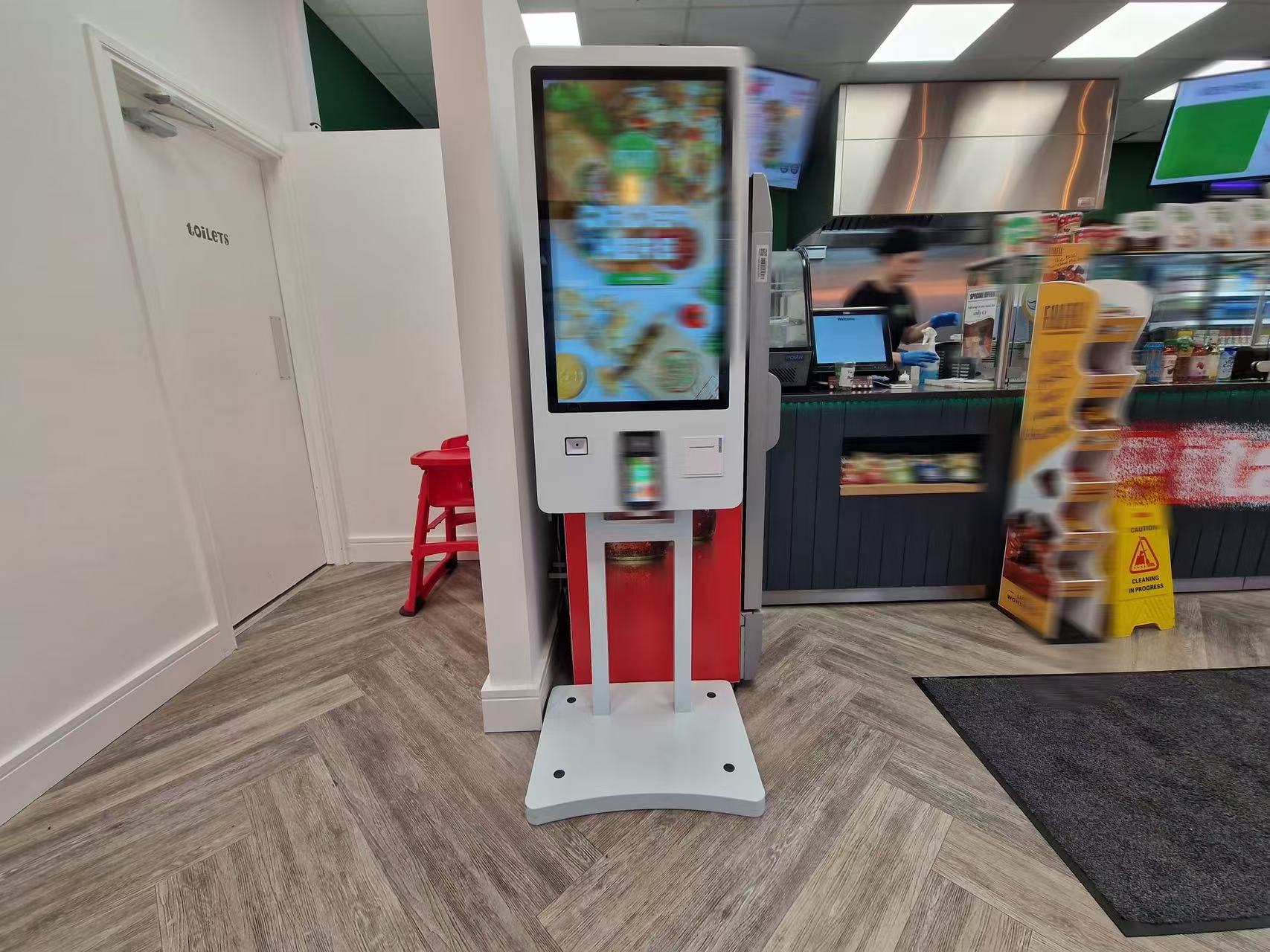
Modern businesses across industries are increasingly turning to self-service kiosks as a strategic solution to streamline operations and enhance customer experience. These innovative terminals have revolutionized how organizations manage customer interactions, reduce operational costs, and improve service delivery. When evaluating the implementation of these systems, understanding the self service kiosk price becomes crucial for making informed investment decisions that align with business objectives and budget constraints.
Understanding Self-Service Kiosk Investment Fundamentals
Cost Structure Analysis
The financial investment in self-service kiosks extends beyond the initial hardware purchase. Organizations must consider multiple cost components including software licensing, installation, maintenance, and ongoing support services. The self service kiosk price typically varies based on screen size, processing capabilities, peripheral devices, and customization requirements. Basic models suitable for simple transactions may start at lower price points, while advanced systems with multiple functionalities command premium pricing.
Hardware specifications significantly influence overall costs, with factors such as display technology, touchscreen responsiveness, payment processing capabilities, and environmental durability affecting pricing structures. Enterprise-grade solutions often incorporate robust security features, advanced analytics capabilities, and integration options that justify higher investment levels. Understanding these cost variables helps businesses develop realistic budgets and select appropriate solutions for their specific operational needs.
Return on Investment Considerations
Calculating the return on investment for self-service kiosks requires analyzing both direct cost savings and indirect benefits. Labor cost reduction represents the most immediate financial advantage, as automated systems can handle routine transactions without human intervention. Organizations typically observe significant reductions in staffing requirements for basic customer service functions, allowing personnel to focus on higher-value activities that require human expertise and judgment.
The efficiency gains from reduced wait times translate into improved customer satisfaction and potentially increased transaction volumes. Studies indicate that customers appreciate the convenience and speed of self-service options, leading to enhanced loyalty and repeat business. When evaluating self service kiosk price against these benefits, many organizations find that payback periods range from twelve to twenty-four months, depending on transaction volumes and operational savings achieved.
Implementation Strategies for Maximum Efficiency
Optimal Placement and Configuration
Strategic placement of self-service kiosks plays a crucial role in maximizing their effectiveness and justifying the investment cost. High-traffic areas with good visibility and accessibility typically generate the highest usage rates and fastest return on investment. Businesses should analyze customer flow patterns, peak usage times, and service bottlenecks to determine optimal locations that will deliver maximum impact on wait time reduction and operational efficiency.
The configuration and customization of kiosk interfaces directly impact user adoption rates and overall success. Intuitive design, clear navigation, and multilingual support enhance accessibility and reduce the likelihood of user frustration or abandonment. Organizations investing in self service kiosk price should prioritize user experience design to ensure maximum utilization and customer satisfaction outcomes.
Integration with Existing Systems
Successful kiosk implementation requires seamless integration with existing business systems, including point-of-sale platforms, customer relationship management software, and inventory management systems. This integration capability affects both initial implementation costs and long-term operational efficiency. Organizations should evaluate integration requirements early in the planning process to avoid unexpected expenses and ensure smooth data flow between systems.
Advanced integration capabilities enable real-time data synchronization, automated reporting, and centralized management across multiple kiosk locations. These features provide valuable insights into customer behavior, transaction patterns, and system performance metrics that inform future business decisions. While comprehensive integration may increase the initial self service kiosk price, the long-term operational benefits and data insights typically justify the additional investment for most organizations.
Industry-Specific Applications and Benefits
Retail and Quick Service Restaurants
Retail environments and quick service restaurants have witnessed remarkable improvements in operational efficiency through strategic kiosk deployment. These industries benefit from reduced order processing times, improved order accuracy, and enhanced upselling opportunities through automated prompts and suggestions. The self service kiosk price in retail applications often pays for itself through increased transaction speeds and reduced labor costs during peak hours.
Customer ordering kiosks eliminate communication errors and allow for easy customization of orders, leading to improved customer satisfaction and reduced food waste. The technology also enables businesses to capture detailed customer preference data, facilitating targeted marketing campaigns and menu optimization strategies. Organizations in these sectors typically report significant improvements in customer throughput and overall operational efficiency within months of implementation.
Healthcare and Government Services
Healthcare facilities and government offices have successfully implemented self-service kiosks to streamline check-in processes, appointment scheduling, and information distribution. These applications reduce administrative burden on staff while providing patients and citizens with convenient, 24-hour access to essential services. The self service kiosk price in healthcare settings often generates returns through improved patient flow and reduced administrative costs.
Government agencies utilize kiosks for various citizen services including license renewals, permit applications, and information access. These implementations reduce wait times at service counters while providing consistent service quality regardless of staffing levels. The automation of routine transactions allows government employees to focus on complex cases requiring personal attention, improving overall service delivery and citizen satisfaction rates.
Technology Trends and Future Considerations
Emerging Technologies and Features
The evolution of self-service kiosk technology continues to introduce new capabilities that enhance functionality while potentially affecting the self service kiosk price structure. Artificial intelligence integration enables more sophisticated customer interactions, predictive maintenance capabilities, and personalized service recommendations. These advanced features represent the next generation of kiosk technology, offering enhanced value propositions for organizations seeking competitive advantages.
Contactless payment options, biometric authentication, and voice recognition capabilities are becoming standard features in modern kiosk designs. These technologies improve hygiene standards, enhance security, and accommodate diverse user preferences and accessibility needs. Organizations planning kiosk investments should consider future technology trends to ensure their systems remain relevant and competitive throughout their operational lifespan.
Scalability and Expansion Planning
Successful kiosk implementations often lead to expansion opportunities across additional locations or service areas. Organizations should evaluate scalability options when initially assessing self service kiosk price to ensure their chosen solutions can accommodate future growth requirements. Modular designs and cloud-based management platforms facilitate easier expansion and reduce per-unit costs for multi-location deployments.
Long-term planning considerations include software update capabilities, hardware upgrade paths, and vendor support structures. Organizations benefit from establishing relationships with suppliers who can provide ongoing technical support and system enhancements as business needs evolve. This strategic approach ensures maximum return on kiosk investments while maintaining operational efficiency and customer satisfaction standards over time.
FAQ
What factors most significantly impact self service kiosk price
The primary factors affecting self service kiosk price include hardware specifications such as screen size and processing power, software complexity and customization requirements, peripheral devices like payment processors and printers, installation and integration services, and ongoing maintenance and support contracts. Additional considerations include environmental requirements, security features, and compliance certifications that may be necessary for specific industries or applications.
How long does it typically take to see return on investment from kiosk implementation
Most organizations experience return on investment within twelve to twenty-four months of kiosk deployment, depending on transaction volumes, labor cost savings, and operational efficiency improvements. High-traffic locations with significant staffing costs typically achieve faster payback periods, while specialized applications may require longer timeframes to realize full benefits. Factors such as customer adoption rates, system utilization levels, and integration effectiveness significantly influence ROI timelines.
What ongoing costs should businesses budget for after initial kiosk purchase
Ongoing costs include software licensing fees, maintenance contracts, technical support services, payment processing fees, internet connectivity charges, and periodic hardware updates or replacements. Organizations should also budget for staff training, content updates, and potential system upgrades to maintain optimal performance. These recurring expenses typically represent fifteen to twenty-five percent of the initial self service kiosk price annually.
Can self-service kiosks integrate with existing business management systems
Modern self-service kiosks offer extensive integration capabilities with existing point-of-sale systems, customer relationship management platforms, inventory management software, and analytics tools. Integration complexity varies based on system architectures and data requirements, but most reputable kiosk providers offer standardized APIs and integration support services. Proper integration ensures seamless data flow and maximizes the operational benefits of kiosk implementation across all business functions.