Modern restaurants and food service establishments are rapidly adopting digital display technology to enhance customer experience and streamline operations. When evaluating digital menu boards price considerations, business owners must understand that the initial investment encompasses much more than just the display hardware. These sophisticated systems integrate multiple components including high-resolution screens, content management software, mounting hardware, and ongoing maintenance requirements that collectively determine the total cost of ownership.

The transition from traditional static menu boards to dynamic digital displays represents a significant technological advancement that offers unprecedented flexibility in menu presentation and real-time content updates. Understanding the key features and their impact on digital menu boards price structures enables informed decision-making and ensures optimal return on investment for food service businesses of all sizes.
Display Technology and Screen Quality
Resolution and Visual Clarity
The foundation of any effective digital menu board system lies in its display technology, which significantly influences both performance and digital menu boards price points. High-definition resolution capabilities, typically ranging from 1080p to 4K, ensure that menu items, prices, and promotional content appear crisp and visually appealing to customers. The pixel density and color reproduction accuracy directly affect customer engagement and perceived food quality, making display resolution a critical factor in the purchasing decision.
Professional-grade LCD and LED panels offer superior brightness levels, contrast ratios, and color saturation compared to consumer-grade alternatives. These commercial displays typically feature brightness ratings between 350 to 700 nits, ensuring excellent visibility under various lighting conditions commonly found in restaurant environments. The enhanced durability and extended operational lifespan of commercial displays justify the higher initial investment when considering long-term digital menu boards price calculations.
Screen Size and Aspect Ratio
Selecting the appropriate screen size requires careful consideration of viewing distance, content layout requirements, and available mounting space within the establishment. Standard sizes range from 32 inches for compact installations to 98 inches for large-scale deployments, with each size tier affecting the overall digital menu boards price structure. Portrait orientation displays have become increasingly popular for menu applications, as they better accommodate vertical menu layouts and maximize content visibility.
The aspect ratio selection impacts both content creation workflows and hardware costs, with 16:9 landscape and 9:16 portrait formats being the most common configurations. Ultra-wide displays and curved screens offer unique presentation opportunities but typically command premium pricing due to their specialized nature and limited production volumes.
Content Management and Software Integration
User-Friendly Interface Design
Comprehensive content management systems form the backbone of effective digital menu board operations, providing intuitive interfaces for real-time menu updates, pricing changes, and promotional campaigns. The sophistication of these software platforms varies considerably and represents a significant component of the total digital menu boards price structure. Cloud-based solutions offer remote management capabilities, automatic updates, and scalability advantages for multi-location operations.
Template libraries, drag-and-drop editing tools, and pre-designed menu layouts streamline the content creation process and reduce ongoing operational costs. Advanced systems include scheduling features that automatically adjust menu displays based on time of day, seasonal offerings, or special events, maximizing revenue opportunities while minimizing manual intervention requirements.
Integration Capabilities
Modern digital menu board systems must seamlessly integrate with existing point-of-sale systems, inventory management platforms, and customer relationship management tools. This integration capability eliminates manual data entry, reduces errors, and ensures consistent pricing across all customer touchpoints. The complexity of these integrations often influences digital menu boards price negotiations, as custom API development or specialized middleware may be required.
Real-time synchronization features automatically update menu availability based on inventory levels, preventing customer disappointment and improving operational efficiency. Weather-based menu adjustments, social media integration, and loyalty program connectivity represent advanced features that can significantly enhance customer engagement and drive sales growth.
Hardware Durability and Performance
Commercial-Grade Construction
The demanding operational environment of food service establishments requires digital menu boards built to commercial specifications with enhanced durability and reliability features. Industrial-grade components, reinforced housings, and extended temperature operating ranges ensure consistent performance under challenging conditions. These robust construction standards directly impact digital menu boards price structures but provide superior value through reduced maintenance costs and extended operational lifespan.
Protective features such as tempered glass screens, sealed electronics compartments, and anti-reflective coatings protect against common hazards including grease splatter, cleaning chemicals, and physical impact. The mean time between failure ratings for commercial displays typically exceed 50,000 hours of continuous operation, demonstrating the long-term value proposition despite higher initial investment requirements.
Connectivity and Processing Power
Reliable network connectivity options including WiFi, Ethernet, and cellular capabilities ensure consistent content delivery and remote management functionality. Built-in media players with sufficient processing power handle complex animations, video content, and real-time data feeds without performance degradation. The processing capabilities and connectivity features significantly influence digital menu boards price calculations, particularly for systems requiring advanced multimedia presentation capabilities.
Future-proofing considerations include support for emerging connectivity standards, expandable storage options, and software upgrade pathways that extend the useful life of the digital signage investment. Systems with modular designs allow component upgrades without complete system replacement, providing better long-term value proposition.
Installation and Mounting Solutions
Flexible Mounting Options
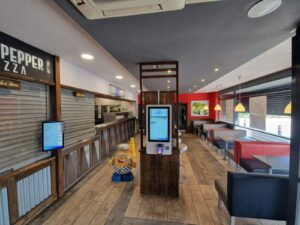
Professional installation requirements and mounting hardware specifications represent often-overlooked components of total digital menu boards price calculations. Wall-mounted, ceiling-suspended, and freestanding configurations each require specialized mounting systems designed to support the weight and dimensions of commercial displays safely. The complexity of installation requirements varies based on building construction, electrical access, and local building codes.
Adjustable mounting systems provide flexibility for future repositioning and maintenance access while ensuring optimal viewing angles for customers. Theft-resistant mounting hardware and tamper-proof enclosures protect valuable equipment investments in high-traffic environments. Professional installation services typically include cable management, electrical connections, and initial system configuration to ensure optimal performance from day one.
Accessibility and Maintenance Considerations
Strategic placement planning considers customer flow patterns, ADA compliance requirements, and maintenance accessibility when determining optimal mounting locations. Service access panels and quick-release mounting mechanisms facilitate routine maintenance and emergency repairs without disrupting business operations. The long-term digital menu boards price implications include ongoing maintenance costs, which can be minimized through thoughtful installation planning and high-quality mounting hardware selection.
Cable routing and power distribution planning prevent clutter and ensure safe installation that meets electrical codes and insurance requirements. Surge protection and uninterruptible power supply integration protect against electrical issues that could damage expensive digital signage equipment.
Cost Analysis and Budget Planning
Total Cost of Ownership
Comprehensive digital menu boards price analysis extends beyond initial hardware and software acquisition costs to include installation, training, content creation, and ongoing maintenance expenses. Multi-year budget planning should account for software licensing fees, content management costs, and periodic hardware refresh cycles to maintain competitive presentation standards. The total cost of ownership typically spans three to five years, during which businesses realize operational efficiencies and revenue enhancement benefits.
Energy consumption calculations factor into long-term operating costs, with LED backlighting and energy-efficient processors reducing monthly electricity expenses compared to older display technologies. The environmental benefits of reduced paper waste from eliminated printed menus also contribute to corporate sustainability goals while reducing ongoing operational costs.
Return on Investment Metrics
Quantifying the return on investment for digital menu boards involves measuring increased average order values, reduced labor costs for menu updates, and improved customer satisfaction scores. Studies indicate that dynamic menu displays can increase sales by 5-15% through strategic product placement, promotional highlighting, and suggestive selling techniques. The flexibility to adjust pricing in real-time during peak and off-peak hours maximizes revenue optimization opportunities that justify digital menu boards price investments.
Operational efficiency gains include elimination of printing costs, reduced menu change turnaround times, and centralized content management for multi-location operations. These soft cost savings, combined with measurable sales increases, typically generate positive return on investment within 18-24 months for most food service establishments.
Advanced Features and Future Considerations
Interactive Capabilities
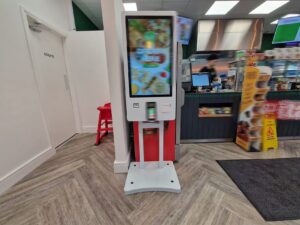
Touch-screen functionality transforms traditional menu boards into interactive customer interfaces that can process orders, provide nutritional information, and collect customer feedback. While interactive features increase digital menu boards price points, they offer opportunities for labor cost reduction and enhanced customer engagement. Capacitive touch technology provides responsive, multi-touch capabilities that support intuitive navigation and gesture-based interactions.
Integration with mobile ordering platforms and loyalty programs creates seamless omnichannel experiences that meet evolving customer expectations. QR code integration bridges the gap between digital displays and personal mobile devices, enabling detailed product information access and order customization without additional hardware investments.
Analytics and Data Intelligence
Advanced digital menu board systems incorporate analytics capabilities that track customer viewing patterns, popular menu items, and optimal content placement strategies. This data intelligence informs menu design decisions, pricing strategies, and promotional campaign effectiveness. While analytics features may increase initial digital menu boards price requirements, the actionable insights generated provide ongoing value through improved marketing effectiveness and operational optimization.
Machine learning algorithms analyze historical sales data, weather patterns, and customer demographics to automatically optimize menu presentations and promotional timing. These sophisticated features represent the cutting edge of digital menu board technology and command premium pricing due to their advanced capabilities and competitive advantages.
Vendor Selection and Support Services
Technical Support and Warranty Coverage
Comprehensive technical support services and warranty coverage represent critical factors in vendor selection decisions that significantly impact long-term digital menu boards price calculations. Professional support services include remote diagnostics, on-site repairs, and preventive maintenance programs that minimize system downtime and operational disruptions. Extended warranty options provide protection against component failures and ensure prompt resolution of technical issues.
Training programs for staff members ensure effective system utilization and reduce reliance on external support services. Documentation quality, online resources, and user community support contribute to successful implementation and ongoing operation of digital menu board systems.
Scalability and Growth Planning
Selecting vendors with proven scalability capabilities ensures that digital menu board investments can grow alongside business expansion plans. Centralized management platforms support multi-location deployments with consistent branding and coordinated promotional campaigns. The ability to add displays, upgrade software features, and expand functionality without system replacement provides better long-term value despite potentially higher initial digital menu boards price points.
Partnership relationships with established vendors provide access to ongoing technology updates, industry best practices, and emerging feature development. These relationships often include preferential pricing for additional equipment purchases and priority support service levels that support business growth objectives.
FAQ
What factors most significantly impact digital menu boards price variations
Screen size, display technology quality, software features, and installation complexity represent the primary factors influencing digital menu boards price structures. Commercial-grade displays with higher brightness, resolution, and durability command premium pricing compared to consumer-grade alternatives. Software licensing, content management capabilities, and integration requirements also significantly affect total system costs, with cloud-based solutions typically requiring ongoing subscription fees.
How long do commercial digital menu boards typically last before replacement
Commercial-grade digital menu boards typically provide 5-7 years of reliable operation before requiring replacement, with many systems exceeding 50,000 hours of continuous operation. Proper maintenance, environmental controls, and quality installation practices can extend operational lifespan significantly. The rapid pace of technology advancement may drive earlier replacement decisions to access new features and improved performance capabilities rather than equipment failure necessitating replacement.
Are there ongoing costs beyond the initial digital menu boards price
Yes, ongoing costs include software licensing fees, content management services, maintenance contracts, and electricity consumption. Cloud-based systems typically require monthly or annual subscription fees for software access and remote management capabilities. Professional maintenance contracts ensure optimal performance and prompt technical support, while content creation and updates may require ongoing design services or staff training investments.
What return on investment can restaurants expect from digital menu board installations
Most restaurants achieve positive return on investment within 18-24 months through increased average order values, operational efficiencies, and reduced printing costs. Sales increases of 5-15% are commonly reported due to enhanced product presentation, dynamic pricing capabilities, and strategic promotional placement. Labor cost reductions from eliminated menu change processes and centralized content management contribute additional value that accelerates payback periods for digital menu boards price investments.