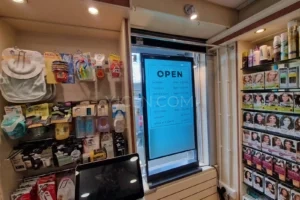
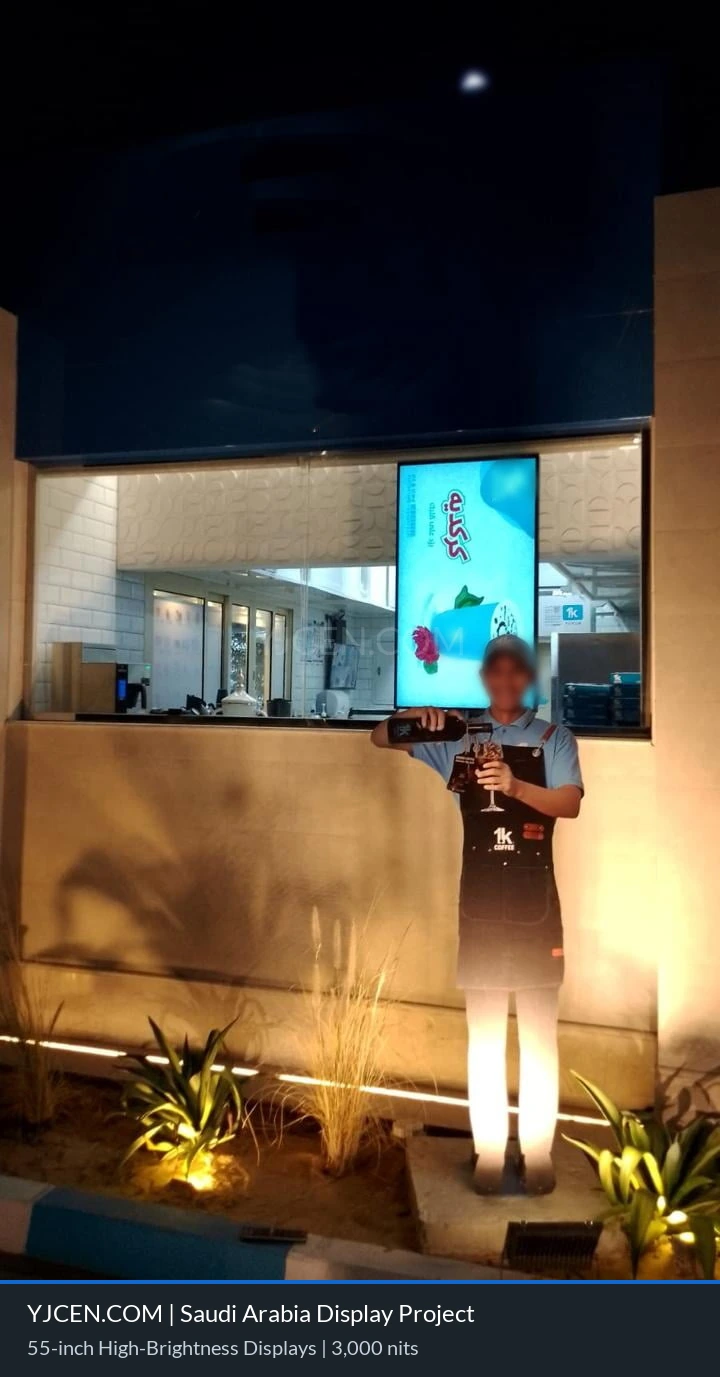
YJCEN supplied a 55-inch high-brightness outdoor display for a customer in Saudi Arabia. The project was planned for strong sunlight and demanding heat, with site temperatures reaching approximately 40°C.
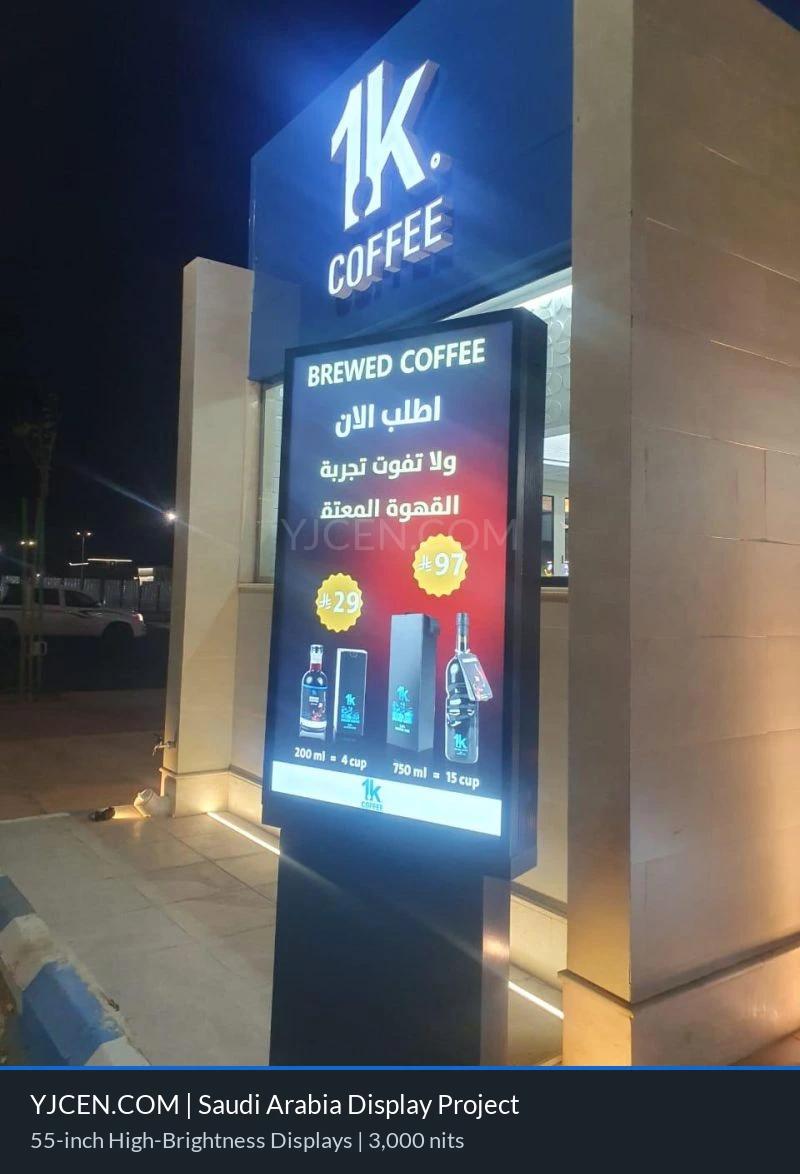
The display provides 3,000 nits of brightness. It also uses industrial-grade active fan cooling and automatic brightness adjustment based on ambient light. These confirmed features help the screen remain visible while supporting temperature control in a challenging commercial environment.
After deployment, the display was operating normally. The customer also reported increased store-entry activity. This feedback came from the customer and was not presented as an independently measured sales or conversion study.
Saudi Arabia Outdoor Display Project Specifications
- Display size: 55 inches
- Brightness: 3,000 nits
- Installation environment: Outdoor commercial location
- Cooling system: Industrial-grade active fan cooling
- Light control: Automatic brightness adjustment based on ambient light
- Site temperature: Approximately 40°C, with high-temperature operation considered in the configuration
- Project location: Saudi Arabia
- Operating status: Operating normally after deployment
The source information does not specify an IP rating, mounting structure, display resolution or content-management platform. Those details must therefore be confirmed for any new project rather than inferred from this installation.
Project Purpose and Site Conditions
The project required a commercial screen that could present advertising and information in bright outdoor conditions. A standard indoor display can lose contrast when sunlight reaches the screen. High ambient temperatures can also place extra demands on the enclosure and cooling system.
Screen size was only one part of the selection process. Brightness, cooling and changing ambient light all affected the final configuration. The selected system combined these functions in one 55-inch display.
Why 3,000 Nits Was Selected
Brightness affects whether viewers can identify text, images and pricing under strong daylight. This project used a 3,000-nit panel to provide higher visual output than a typical indoor commercial screen.
Actual visibility still depends on the installation. Screen direction, direct sunlight, nearby reflections, viewing distance and content contrast can change the result. Site photographs and measurements should be reviewed before the brightness level is confirmed for another location.
Active Fan Cooling for High Temperatures
Saudi Arabia can expose outdoor displays to intense heat. The ambient temperature at this project could reach approximately 40°C. Direct sunlight may raise the temperature inside an enclosure beyond the surrounding air temperature.
The display uses industrial-grade active fan cooling to move heat away from internal components. The airflow path must remain clear during installation and operation. Service access is also important because fans and ventilation areas require inspection and cleaning.
Cooling performance cannot be judged from the fan alone. Enclosure design, solar exposure, ventilation, power components and mounting clearance also influence internal temperature. A new project should be evaluated as a complete system.
Automatic Brightness Adjustment
An ambient light sensor allows this display to change its brightness as surrounding light changes. Higher output supports visibility during bright periods. Reduced output can provide a more comfortable view when the site becomes darker.
The sensor should measure representative ambient light. It should not be blocked by the enclosure or influenced by an unrelated local light source. Final settings should be checked at different times of day.
Shop-Window and Drive-Thru Applications
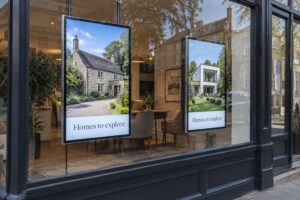
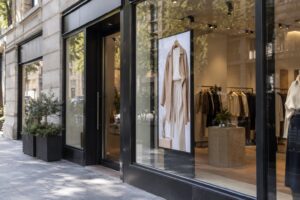
A high-brightness display may be used behind a shop window or in an outdoor drive-thru project. The two applications have different installation requirements. A screen behind glass may receive some protection from the building, but reflections can reduce visibility.
A fully outdoor drive-thru screen may face rain, dust, heat, vehicle traffic and cleaning activity. It may also need a weather-resistant enclosure and protected cable entries. The necessary protection level must match the actual site.
This Saudi project confirms the display size, brightness, cooling method and light-sensing function. It does not confirm a specific IP rating or drive-thru mounting design. References to drive-thru use below are general planning guidance for comparable projects.
Planning an Outdoor Drive-Thru Display
Drivers normally view a drive-thru screen for a short time and from a defined approach angle. Placement and content must therefore be considered together. The display should be visible before the customer reaches the decision point.
- Approach direction: Check when the screen first enters the driver’s natural line of sight.
- Stopping position: Measure the expected distance between the vehicle and the display.
- Driver eye level: Review visibility from different vehicle heights.
- Traffic clearance: Keep the screen and structure outside vehicle and pedestrian routes.
- Ordering sequence: Position menu or guidance content before the related action is required.
- Service access: Allow safe inspection and maintenance without unnecessary lane disruption.
A display alone is not a complete ordering system. Intercoms, payment devices, vehicle sensors, ordering software and point-of-sale integration are separate components when required.
Weather Protection and Installation
Outdoor protection must reflect the real exposure at the site. Rain, airborne dust, humidity, cleaning water and corrosion may affect the required enclosure. Cable entries, seals and access panels also need suitable protection.
The original project information does not provide an IP rating. Buyers should not select a protection level from the brightness specification. The final IP requirement must be confirmed from the installation environment and maintenance process.
Qualified installers should also review mounting strength, grounding, drainage, local electrical requirements and cable routing. Site compliance remains dependent on the final location and local regulations.
Content Design for Fast Viewing
Outdoor content must be clear before it is decorative. Large text, strong contrast and a simple hierarchy help viewers understand the main message quickly. This is especially important beside a vehicle lane.
- Keep headlines and operating instructions short.
- Give essential products, prices or directions the strongest emphasis.
- Choose text size according to measured viewing distance.
- Avoid dense layouts and unnecessary animation.
- Keep important information on screen long enough to be read.
- Test content in both bright and low-light conditions.
For a shop window, content can focus on product launches, promotions and brand messages. For a drive-thru, menu information and instructions should follow the customer’s decision sequence.
Information Needed Before Quotation
A new high-brightness display project should begin with accurate site information. The following details help define the required configuration:
- Installation country and site photographs
- Indoor, window-facing, semi-outdoor or fully outdoor placement
- Screen direction and sunlight exposure
- Expected temperature range
- Viewing distance and viewing angle
- Daily operating schedule
- Content purpose and source equipment
- Available power and network connection
- Mounting method and maintenance access
- Exposure to rain, dust, cleaning water or corrosion
For drive-thru projects, buyers should also provide the vehicle approach direction, stopping point and lane layout. These details help coordinate the screen with ordering or pickup operations.
Project Result and Evidence Limits
The display was operating normally after deployment. The customer reported increased store-entry activity after the project. This statement records customer feedback rather than an independently verified performance measurement.
No exact traffic count, sales figure, conversion rate or return-on-investment calculation was supplied. The case therefore does not assign a percentage or financial value to the reported change.
Frequently Asked Questions
Is 3,000 nits suitable for strong sunlight?
It provides substantially higher output than a standard indoor display. Final suitability still depends on direct sunlight, screen orientation, reflections, viewing distance and content design.
How does the display manage high temperatures?
This project uses industrial-grade active fan cooling. The installation must preserve airflow and service access so the cooling system can operate as intended.
Can the screen adjust brightness automatically?
Yes. An ambient light sensor supports automatic brightness changes as surrounding light levels change.
How should weather protection be selected?
The required enclosure protection depends on rain, dust, cleaning, corrosion and cable-entry conditions at the site. No IP rating is stated in the source information for this project.
Can this type of display be used beside a drive-thru lane?
A suitably configured outdoor display may support menus, promotions or directional guidance. Enclosure protection, mounting, viewing position and local site requirements must be confirmed separately.
What should a buyer send for a quotation?
Please provide site photographs, installation type, sunlight direction, local temperature, viewing distance, operating hours, mounting requirements, power access and content purpose.
Related Outdoor Digital Signage Solutions
Review YJCEN outdoor display solutions for exposed commercial environments. You can also explore more digital signage client cases or request a project quotation based on your site conditions.