Modern retail environments are rapidly evolving to meet changing consumer expectations, with technology playing an increasingly vital role in shaping customer interactions. Self-service solutions have emerged as game-changing tools that transform traditional retail operations, offering enhanced convenience and efficiency for both businesses and consumers. Among these innovations, self service kiosk for restaurants and retail establishments have become particularly prominent, revolutionizing how customers engage with brands and complete transactions. These interactive terminals provide seamless, user-friendly interfaces that streamline ordering processes, reduce wait times, and create more personalized shopping experiences.
The integration of self-service technology represents a fundamental shift in retail strategy, addressing contemporary challenges such as labor shortages, increased operational costs, and heightened customer demands for faster service. These automated systems enable businesses to maintain consistent service quality while optimizing resource allocation and improving overall operational efficiency. The widespread adoption of self service kiosk for restaurants demonstrates their effectiveness in creating value for multiple stakeholders within the retail ecosystem.
Understanding Self-Service Kiosk Technology in Modern Retail
Core Components and Functionality
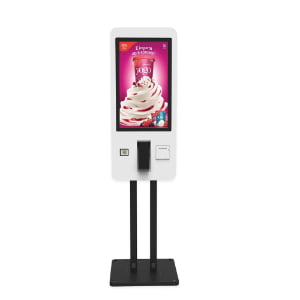
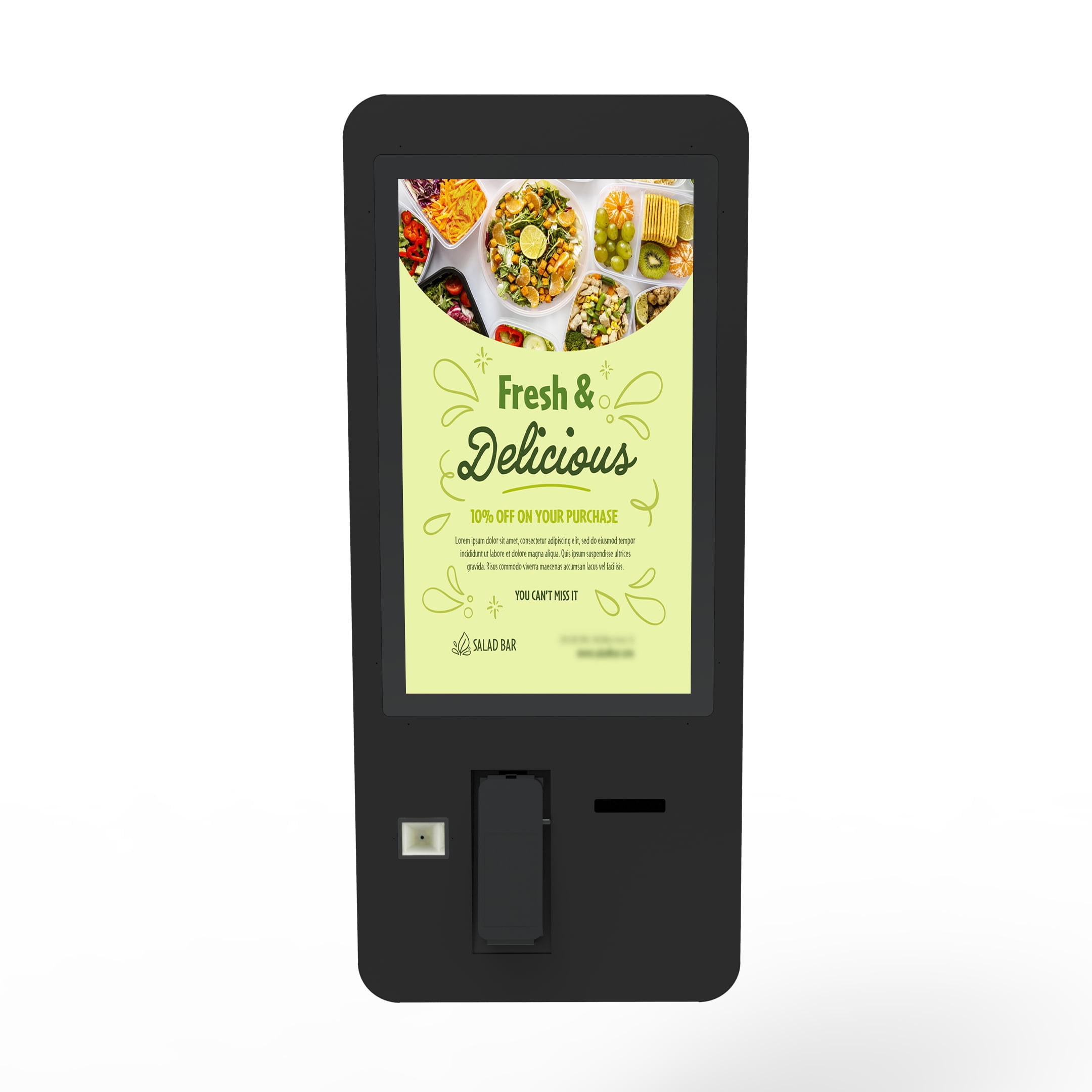
Self-service kiosks incorporate sophisticated hardware and software components designed to deliver intuitive user experiences. These systems typically feature high-resolution touchscreen displays, secure payment processing modules, receipt printers, and integrated cameras for enhanced security. The underlying software architecture enables real-time menu updates, inventory management integration, and comprehensive analytics tracking. Modern self service kiosk for restaurants utilize cloud-based platforms that ensure seamless connectivity with existing point-of-sale systems and enterprise resource planning solutions.
Advanced kiosk systems also incorporate artificial intelligence capabilities that enable personalized recommendations based on customer preferences and purchase history. These intelligent features enhance the overall user experience by suggesting complementary products, promotional offers, and customized meal options. The technology stack supporting these systems includes robust security protocols, multi-language support, and accessibility features that accommodate diverse customer needs and preferences.
Integration Capabilities with Existing Systems
Successful implementation of self-service kiosks requires seamless integration with existing retail infrastructure. These systems must communicate effectively with inventory management platforms, customer relationship management tools, and financial reporting systems. The integration process involves establishing secure data exchange protocols that maintain operational continuity while enhancing system capabilities. Self service kiosk for restaurants often integrate with kitchen display systems, enabling efficient order routing and preparation coordination.
Modern kiosk solutions support various integration methodologies, including application programming interfaces, webhook configurations, and real-time data synchronization protocols. These technical capabilities ensure that self-service transactions are accurately reflected across all business systems, maintaining data integrity and operational transparency. The integration framework also supports scalability requirements, allowing businesses to expand their kiosk networks without compromising system performance or reliability.
Enhanced Customer Experience Through Self-Service Solutions
Reducing Wait Times and Queue Management
One of the most significant benefits of implementing self-service kiosks is the dramatic reduction in customer wait times and improved queue management. Traditional ordering processes often create bottlenecks during peak hours, leading to customer frustration and potential revenue loss. Self service kiosk for restaurants enable simultaneous order processing, allowing multiple customers to place orders concurrently without requiring additional staff resources. This parallel processing capability significantly improves throughput and customer satisfaction levels.
The implementation of kiosk technology transforms queue dynamics by creating multiple service points that operate independently. Customers can complete their entire transaction process autonomously, from menu selection and customization to payment processing and receipt generation. This self-contained approach eliminates dependencies on staff availability and reduces the impact of individual transaction complexity on overall service speed. The result is a more predictable and efficient service delivery model that consistently meets customer expectations.
Personalization and Customization Options
Self-service kiosks excel at delivering personalized experiences that cater to individual customer preferences and dietary requirements. These systems can store customer profiles, track purchase history, and provide tailored recommendations based on previous interactions. The personalization capabilities extend to menu customization, allowing customers to modify ingredients, portion sizes, and preparation methods according to their specific needs. Self service kiosk for restaurants often feature advanced customization interfaces that simplify complex ordering processes while ensuring accuracy.
The technology enables dynamic content presentation that adapts to customer behavior patterns and seasonal preferences. Machine learning algorithms analyze transaction data to identify trending items, popular combinations, and emerging customer preferences. This intelligence drives automatic menu optimization, promotional targeting, and inventory planning decisions. The personalization features also support loyalty program integration, enabling customers to access exclusive offers and accumulate rewards through their kiosk interactions.
Operational Benefits for Retail Businesses
Labor Cost Optimization and Resource Allocation
The deployment of self-service kiosks creates opportunities for significant labor cost optimization while improving resource allocation efficiency. By automating routine ordering and payment processes, businesses can redirect staff members to higher-value activities such as food preparation, customer service, and facility maintenance. This strategic reallocation enhances overall operational productivity while maintaining service quality standards. Self service kiosk for restaurants particularly benefit establishments facing labor shortages or high employee turnover rates.
The technology enables businesses to maintain consistent service levels with reduced staffing requirements, particularly during off-peak hours or unexpected staff absences. Kiosk systems operate continuously without breaks, sick leave, or scheduling constraints, providing reliable service availability. The reduced dependency on manual processes also minimizes the risk of human errors in order taking and payment processing, leading to improved accuracy and customer satisfaction. These operational efficiencies translate directly into cost savings and improved profit margins.
Data Collection and Analytics Insights
Self-service kiosks generate valuable data streams that provide deep insights into customer behavior, preferences, and purchasing patterns. This information enables data-driven decision making across various business functions, from menu optimization and inventory management to marketing strategy development. The analytics capabilities of self service kiosk for restaurants extend beyond basic transaction recording to include detailed interaction tracking, session duration analysis, and user journey mapping.
Advanced analytics platforms process kiosk data to identify seasonal trends, peak usage periods, and popular product combinations. This intelligence supports strategic planning initiatives such as staff scheduling optimization, promotional campaign timing, and new product development. The real-time nature of kiosk data collection enables immediate responses to changing customer preferences or operational challenges. Businesses can leverage this information to implement dynamic pricing strategies, optimize menu layouts, and enhance overall customer experiences.
Implementation Strategies and Best Practices
Strategic Placement and Design Considerations
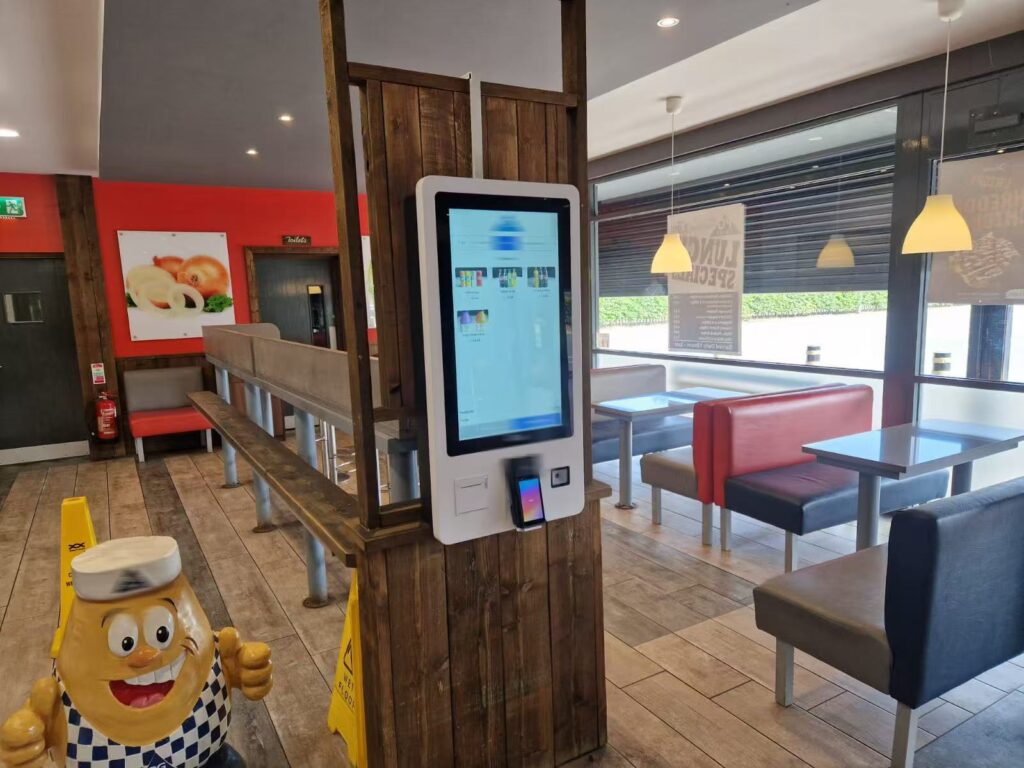
Successful kiosk implementation requires careful consideration of placement strategies and design elements that maximize customer engagement and operational efficiency. The physical positioning of kiosks within retail environments significantly impacts usage rates and customer flow patterns. Strategic placement near entrance areas or high-traffic zones increases visibility and accessibility while minimizing congestion. Self service kiosk for restaurants should be positioned to complement existing service counters rather than create competing pathways.
Design considerations encompass both hardware aesthetics and software interface elements that influence user adoption and satisfaction. The visual design should align with brand identity while maintaining intuitive navigation patterns that accommodate users with varying technical proficiency levels. Accessibility features such as adjustable screen heights, audio assistance options, and clear visual indicators ensure inclusive design principles. The integration of branded elements and consistent color schemes creates cohesive experiences that reinforce brand recognition and customer loyalty.
Staff Training and Change Management
Effective kiosk implementation requires comprehensive staff training programs that address both technical operations and customer support aspects. Employees must understand system functionality, troubleshooting procedures, and customer assistance protocols to ensure smooth transitions to self-service models. Training programs should cover kiosk maintenance requirements, software updates, and integration touchpoints with existing systems. Staff members play crucial roles in encouraging customer adoption and providing support during initial learning phases.
Change management strategies address potential resistance to technology adoption among both staff and customers. Communication plans should emphasize the benefits of self service kiosk for restaurants while addressing concerns about job displacement or technology complexity. Gradual rollout phases allow for system refinement and staff adaptation before full-scale deployment. Ongoing support mechanisms ensure continuous improvement and optimization based on user feedback and operational experience.
Technology Trends and Future Developments
Artificial Intelligence and Machine Learning Integration
The future of self-service kiosks lies in advanced artificial intelligence and machine learning capabilities that create increasingly sophisticated customer interactions. These technologies enable predictive ordering, dynamic menu optimization, and intelligent upselling recommendations that enhance both customer satisfaction and business revenue. AI-powered systems can analyze customer behavior patterns to anticipate needs and preferences, creating proactive service experiences that exceed traditional transactional interactions.
Machine learning algorithms continuously improve system performance by analyzing usage data, identifying optimization opportunities, and implementing automatic adjustments. These capabilities extend to voice recognition interfaces, visual product recognition, and natural language processing that make kiosk interactions more intuitive and accessible. The integration of AI technologies in self service kiosk for restaurants creates opportunities for conversational ordering experiences and intelligent customer support features.
Mobile Integration and Omnichannel Experiences
Modern kiosk systems increasingly integrate with mobile applications and digital platforms to create seamless omnichannel experiences. Customers can begin orders on mobile devices and complete transactions at kiosks, or vice versa, maintaining continuity across multiple touchpoints. This integration enables features such as mobile payment processing, loyalty program synchronization, and personalized menu presentations based on app usage history.
The convergence of kiosk technology with mobile platforms also supports advanced features such as curbside pickup coordination, delivery integration, and social media connectivity. These capabilities expand the utility of self service kiosk for restaurants beyond traditional in-store transactions to encompass comprehensive customer engagement strategies. Future developments will likely include augmented reality interfaces, biometric authentication, and Internet of Things connectivity that further enhance system capabilities and user experiences.
Industry-Specific Applications and Use Cases
Quick Service Restaurants and Fast Casual Dining
Quick service restaurants represent the primary market for self-service kiosk technology, where speed and efficiency are paramount to customer satisfaction. These establishments benefit significantly from automated ordering systems that reduce transaction times and minimize order accuracy issues. Self service kiosk for restaurants in this segment typically feature streamlined interfaces optimized for rapid decision-making and simplified customization options that maintain service speed while accommodating customer preferences.
Fast casual dining environments leverage kiosk technology to balance service efficiency with enhanced customization capabilities. These systems support complex menu configurations, detailed ingredient selections, and nutritional information displays that align with customer expectations for transparency and control. The technology enables businesses to offer extensive customization options without compromising service speed or requiring additional staff training on complex menu variations.
Retail and Hospitality Environments
Beyond restaurant applications, self-service kiosks find extensive use in retail and hospitality environments where customer information access and transaction processing are essential. Hotels utilize kiosks for check-in procedures, room service ordering, and concierge information services. Retail establishments implement kiosks for product information, inventory checking, and self-checkout processes that enhance customer convenience while reducing staffing requirements.
The versatility of kiosk technology enables customization for specific industry requirements and customer demographics. Entertainment venues, healthcare facilities, and educational institutions adapt self service kiosk for restaurants concepts to their unique operational needs. These applications demonstrate the broad applicability of self-service technology across diverse market segments and use cases.
FAQ
What are the primary benefits of implementing self-service kiosks in restaurants
Self-service kiosks provide numerous benefits including reduced wait times, improved order accuracy, enhanced customer personalization, and significant labor cost savings. These systems enable restaurants to serve more customers with existing staff while providing consistent service quality. Additionally, kiosks generate valuable customer data that supports business intelligence and marketing initiatives, ultimately leading to increased revenue and customer satisfaction levels.
How do self-service kiosks integrate with existing restaurant management systems
Modern self-service kiosks integrate seamlessly with existing point-of-sale systems, kitchen display systems, and inventory management platforms through secure APIs and real-time data synchronization. This integration ensures that kiosk orders are automatically transmitted to kitchen staff, inventory levels are updated in real-time, and all transactions are accurately recorded in financial systems. The integration process typically involves minimal disruption to existing operations while enhancing overall system capabilities.
What factors should restaurants consider when selecting self-service kiosk solutions
Key selection factors include hardware durability and reliability, software functionality and customization capabilities, integration compatibility with existing systems, ongoing support and maintenance requirements, and total cost of ownership. Restaurants should also evaluate user interface design, accessibility features, payment processing capabilities, and vendor reputation. The chosen solution should align with specific operational requirements and long-term business growth objectives.
How do customers typically respond to self-service kiosk implementation
Customer response to self-service kiosks is generally positive, with users appreciating the convenience, speed, and control these systems provide. Initial adoption may require some customer education and staff support, but usage rates typically increase rapidly as customers become familiar with the interface. Studies indicate that customers often spend more when using kiosks compared to traditional ordering methods, partly due to reduced social pressure and enhanced upselling capabilities built into the systems.