The hospitality and food service industries are experiencing a digital transformation that fundamentally changes how businesses operate and customers interact with services. Modern consumers expect fast, convenient, and personalized experiences, driving establishments to adopt innovative technologies that streamline operations while enhancing customer satisfaction. Among these technological advances, interactive ordering systems have emerged as game-changing solutions that address both operational efficiency and customer experience demands. The implementation of automated service terminals represents a significant shift from traditional service models, offering businesses unprecedented opportunities to optimize their operations while meeting evolving consumer expectations.
Transforming Customer Experience Through Interactive Technology
Reducing Wait Times and Queue Management
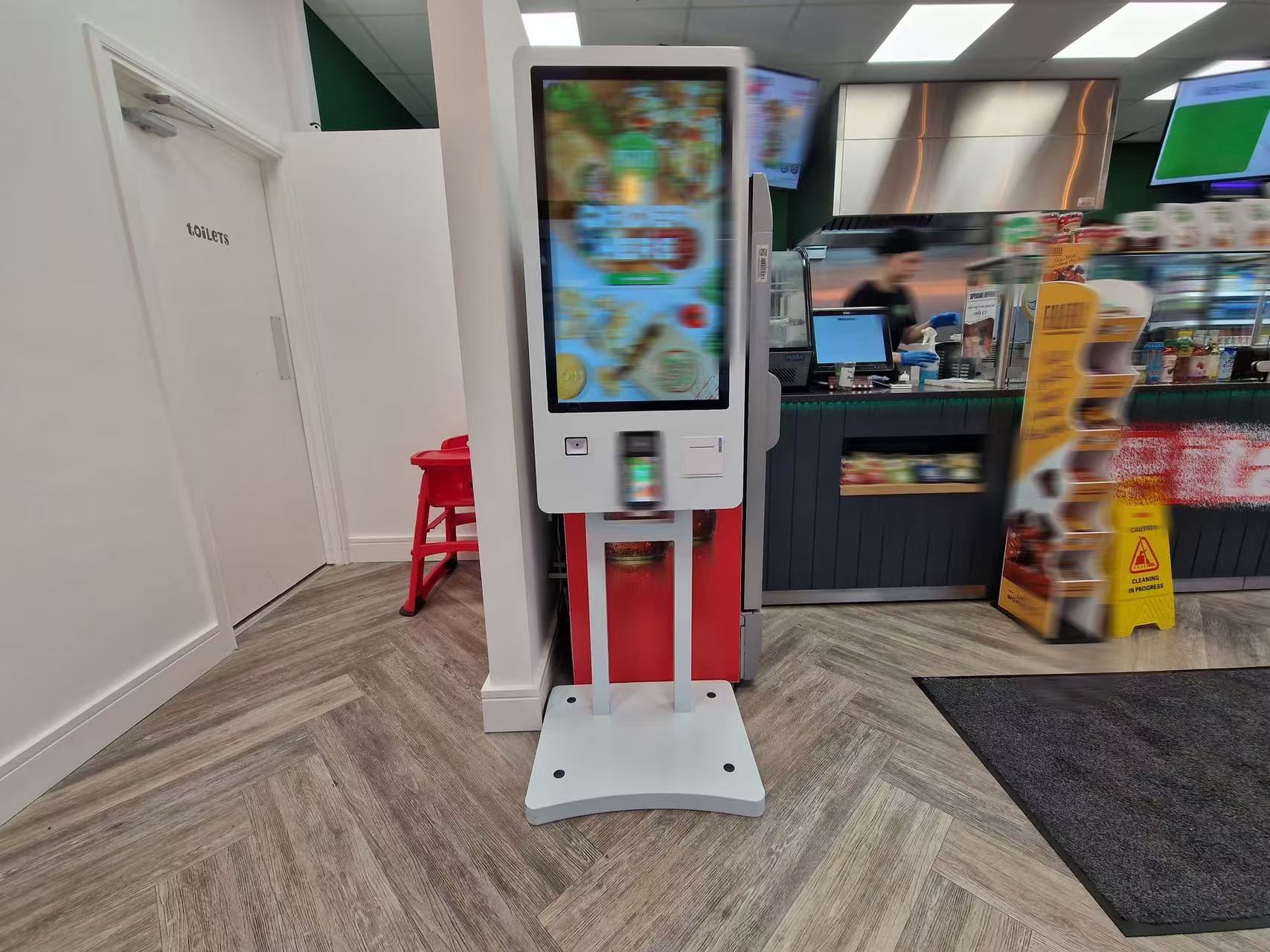
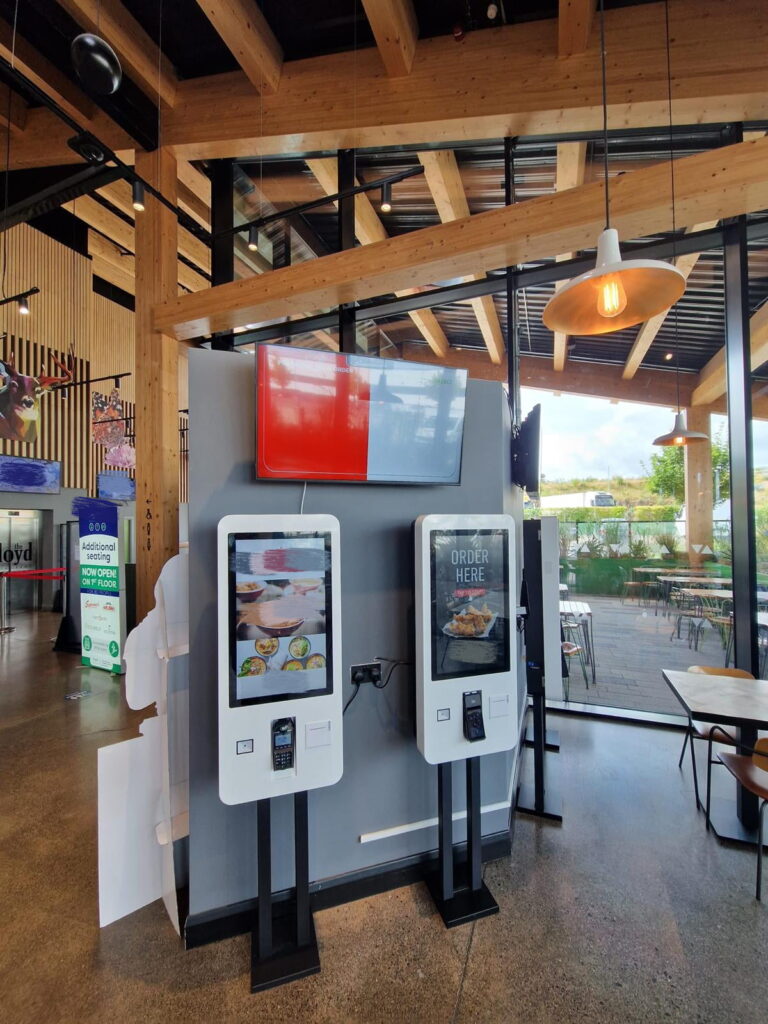
Traditional ordering processes often create bottlenecks during peak hours, leading to frustrated customers and lost revenue opportunities. Interactive ordering terminals eliminate these inefficiencies by allowing multiple customers to place orders simultaneously, dramatically reducing wait times and improving overall service flow. A well-designed self service kiosk for restaurants can handle complex orders, modifications, and special requests without requiring staff intervention, ensuring consistent service quality regardless of volume.
The impact on customer satisfaction becomes particularly evident during busy periods when traditional counter service struggles to maintain efficiency. Customers appreciate the ability to browse menus at their own pace, customize orders without feeling rushed, and complete transactions independently. This autonomous ordering experience appeals especially to younger demographics who have grown up with digital interfaces and prefer self-directed interactions.
Enhancing Order Accuracy and Customization
Manual order-taking processes are inherently prone to human error, miscommunication, and incomplete information transfer. Digital ordering systems eliminate these issues by capturing customer preferences directly through intuitive interfaces, ensuring that complex modifications and special dietary requirements are accurately recorded and communicated to kitchen staff. The visual nature of digital menus also helps customers make informed decisions by displaying detailed descriptions, ingredients, and nutritional information.
Advanced customization features enable customers to personalize their orders extensively, from ingredient substitutions to portion sizes and preparation preferences. This level of control enhances the dining experience while reducing the likelihood of order returns or customer complaints. The system’s ability to remember previous orders and suggest personalized recommendations further improves customer satisfaction and encourages repeat visits.
Operational Efficiency and Cost Management
Labor Optimization and Resource Allocation
The implementation of automated ordering systems allows establishments to redistribute human resources more effectively, moving staff from routine order-taking tasks to higher-value activities such as food preparation, customer service, and quality control. This reallocation improves overall productivity while maintaining or enhancing service quality. Managers can deploy team members where they add the most value, creating more engaging work environments and improving employee satisfaction.
During peak hours, traditional staffing models often require additional personnel to handle increased order volume, leading to higher labor costs and scheduling complexities. Digital ordering systems provide consistent capacity regardless of volume fluctuations, eliminating the need for surge staffing while ensuring smooth operations during busy periods. This consistency helps businesses maintain profitability while delivering reliable service experiences.
Data Collection and Business Intelligence
Modern ordering systems generate valuable data insights that help businesses optimize their operations, menu offerings, and marketing strategies. Detailed analytics reveal customer preferences, popular items, peak ordering times, and seasonal trends, enabling data-driven decision making across all aspects of the business. This information proves invaluable for inventory management, staff scheduling, and menu engineering initiatives.
The ability to track customer behavior patterns and preferences enables targeted marketing campaigns and personalized promotions that drive customer loyalty and increase average order values. Businesses can identify their most profitable menu items, understand customer demographics, and adjust their offerings based on real consumption data rather than assumptions or limited feedback.
Revenue Growth and Market Expansion
Increasing Average Order Values
Digital ordering interfaces excel at presenting upselling and cross-selling opportunities in subtle, non-intrusive ways that feel natural to customers. Strategic placement of complementary items, meal deals, and premium options can significantly increase average transaction values without relying on staff training or consistent execution. The self service kiosk for restaurants creates an environment where customers feel comfortable exploring additional options at their own pace.
Visual merchandising capabilities allow businesses to showcase high-margin items prominently, using appealing images and descriptions that influence purchasing decisions. Dynamic pricing and promotional capabilities enable real-time adjustments based on inventory levels, time of day, or special events, maximizing revenue opportunities while managing costs effectively.
Expanding Service Capabilities
Automated ordering systems enable businesses to extend their service hours without proportionally increasing labor costs, capturing revenue during traditionally less profitable time periods. Late-night service, early morning operations, or extended weekend hours become financially viable when supported by efficient self-service technology that maintains service quality without requiring full staffing levels.
The scalability of digital systems supports business growth by maintaining consistent service quality as locations expand or transaction volumes increase. New menu items, seasonal offerings, or promotional campaigns can be implemented simultaneously across multiple locations, ensuring brand consistency while reducing administrative overhead.
Integration with Modern Business Systems
Payment Processing and Financial Management
Contemporary ordering systems integrate seamlessly with various payment methods, from traditional credit cards to mobile wallets and contactless payments, accommodating diverse customer preferences while ensuring secure transactions. This flexibility removes payment-related friction that might otherwise prevent completed purchases, particularly important for attracting tech-savvy customers who prefer digital payment methods.
Integrated financial reporting capabilities provide real-time visibility into sales performance, payment trends, and transaction analytics, enabling better cash flow management and financial planning. Automated reconciliation features reduce administrative burden while improving accuracy in financial reporting and tax preparation activities.
Kitchen Display Systems and Order Management
Modern self service kiosk for restaurants systems integrate directly with kitchen display systems, ensuring seamless communication between customer orders and food preparation teams. This integration eliminates paper tickets, reduces errors, and provides real-time visibility into order status and preparation times. Kitchen staff can prioritize orders effectively, manage preparation workflows, and maintain quality standards consistently.
Advanced order management features enable complex routing for multi-location businesses, special handling instructions, and automated notifications for order completion. These capabilities ensure smooth operations while providing customers with accurate wait times and pickup notifications through various communication channels.
Technology Adoption Considerations
Implementation Planning and Staff Training
Successful deployment of digital ordering systems requires careful planning that considers existing workflows, customer demographics, and operational requirements. Staff training programs should focus on supporting customers who need assistance while maintaining the efficiency benefits of self-service technology. Team members need to understand both the technical aspects of the system and strategies for encouraging customer adoption.
Change management initiatives help ensure smooth transitions by addressing employee concerns, highlighting benefits, and providing ongoing support during the adaptation period. Clear communication about how technology enhances rather than replaces human roles helps maintain positive workplace culture while maximizing the benefits of automation.
Customer Support and Accessibility
While digital ordering systems improve efficiency for most customers, businesses must maintain support options for individuals who prefer traditional service or need assistance with technology. Hybrid service models that combine self-service options with human support ensure inclusive experiences that accommodate all customer preferences and accessibility requirements.
Regular system updates, user interface improvements, and responsive customer support mechanisms help maintain high adoption rates and positive customer experiences. Monitoring usage patterns and gathering customer feedback enables continuous optimization of the self-service experience while identifying areas for improvement.
Future Trends and Innovation
Artificial Intelligence and Personalization
Emerging artificial intelligence capabilities are enhancing self service kiosk for restaurants functionality through predictive ordering, personalized recommendations, and dynamic menu optimization based on real-time data analysis. Machine learning algorithms can identify individual customer preferences, dietary restrictions, and ordering patterns to create highly personalized experiences that drive customer loyalty and increase transaction values.
Voice recognition technology and natural language processing are making digital ordering systems more intuitive and accessible, allowing customers to place orders through conversational interfaces that feel more natural than traditional touch-screen interactions. These advances are particularly valuable for improving accessibility and accommodating customers with varying levels of technology comfort.
Integration with Mobile and Delivery Platforms
The convergence of in-store kiosk systems with mobile applications and third-party delivery platforms creates seamless omnichannel experiences that meet customers wherever they prefer to interact with brands. Unified loyalty programs, consistent pricing, and synchronized inventory management across all channels ensure cohesive customer experiences while maximizing operational efficiency.
Advanced integration capabilities enable features like mobile ordering with in-store pickup, pre-arrival order customization, and seamless transitions between digital and physical touchpoints throughout the customer journey. These innovations position businesses to capture revenue across multiple channels while maintaining consistent brand experiences.
FAQ
How do self-service kiosks improve restaurant profitability
Self-service kiosks increase profitability through multiple mechanisms including higher average order values through strategic upselling, reduced labor costs by optimizing staff allocation, improved order accuracy that minimizes waste and returns, and enhanced operational efficiency during peak hours. The systems also provide valuable data insights that enable better menu engineering and inventory management decisions.
What are the main challenges when implementing restaurant kiosk systems
Primary implementation challenges include initial capital investment costs, staff training requirements, customer adoption curves, and integration with existing point-of-sale systems. Success depends on careful planning, comprehensive training programs, ongoing customer support, and selecting systems that align with operational requirements and customer demographics.
How do customers typically respond to self-service ordering technology
Customer response varies by demographic, with younger consumers generally embracing the technology immediately while older customers may require more support initially. Most customers appreciate the convenience, order accuracy, and ability to customize meals at their own pace. Successful implementations provide hybrid service options that accommodate all preference levels.
Can self-service kiosks handle complex dietary restrictions and allergies
Modern restaurant kiosk systems excel at managing dietary restrictions and allergies through detailed ingredient databases, customization options, and clear allergen warnings. Customers can filter menu items based on dietary needs, view detailed nutritional information, and make specific modifications while the system automatically alerts kitchen staff to special preparation requirements.