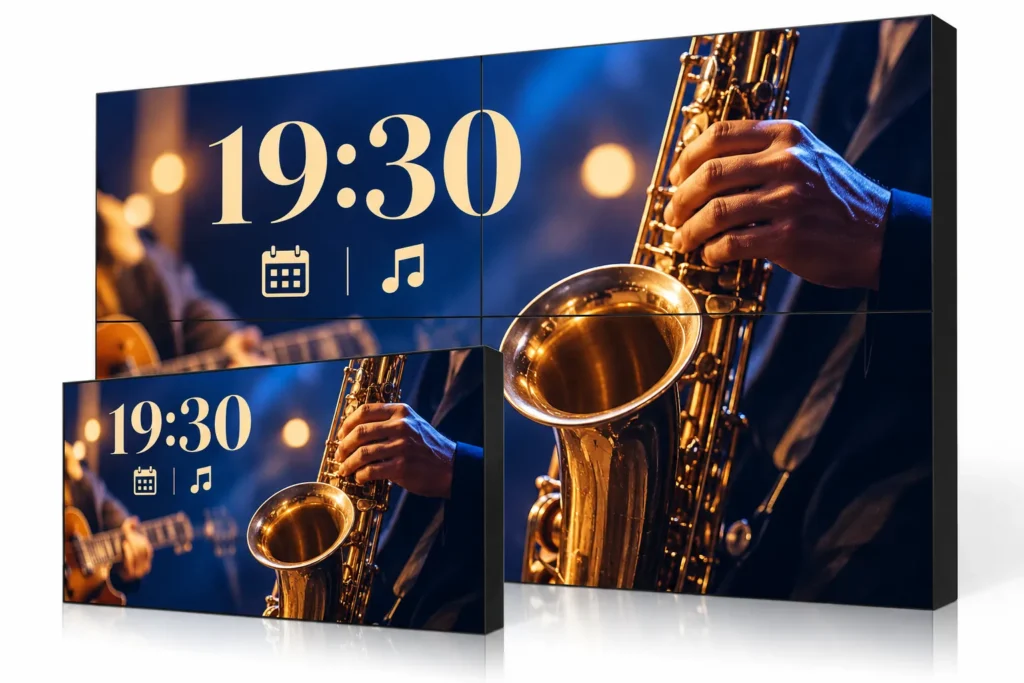
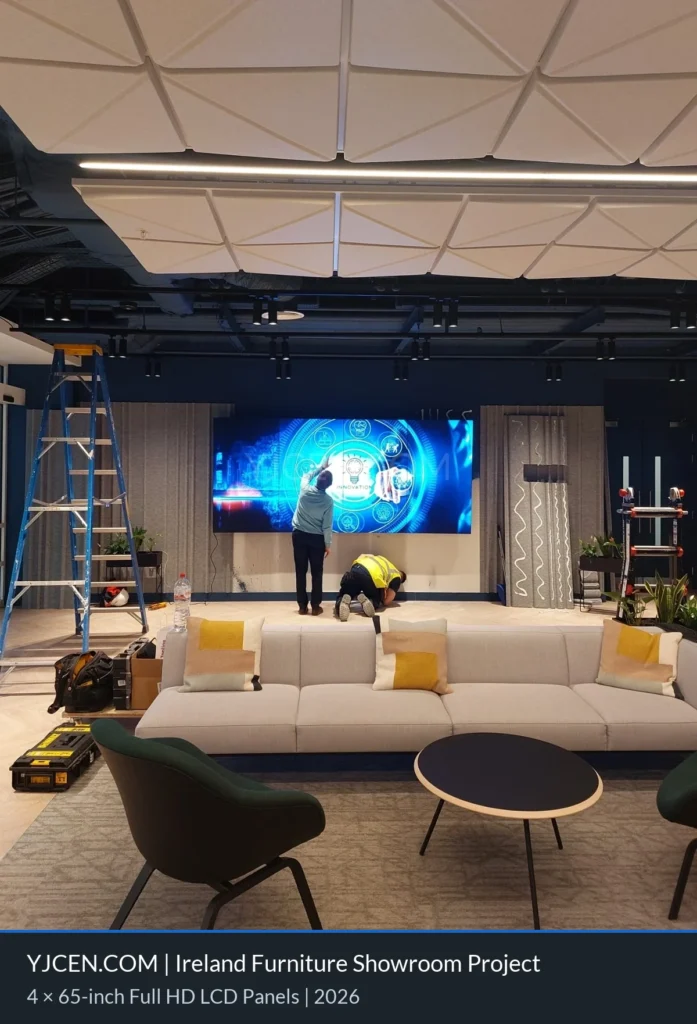
Build a shared display from multiple LCD panels. YJCEN LCD video walls support large images and multiple-source layouts, with 46, 55 and 65-inch panels and 0.88, 1.8 or 3.5mm bezel options.
Download technical documentation and installation guides to help you get the most out of your product
Explore the product features, application options and configuration details for this commercial display solution.
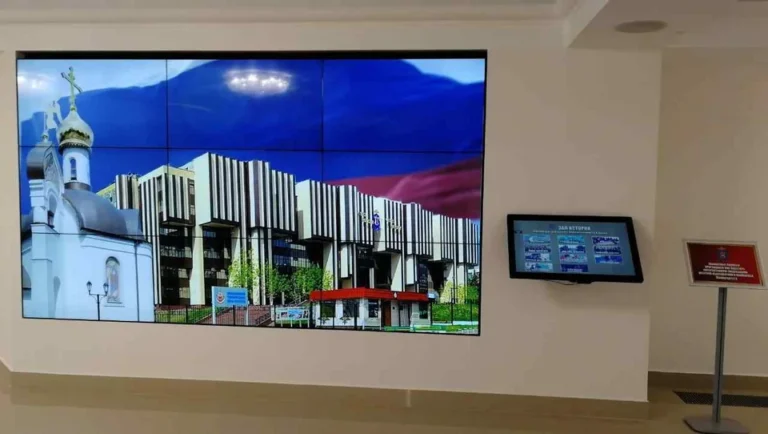
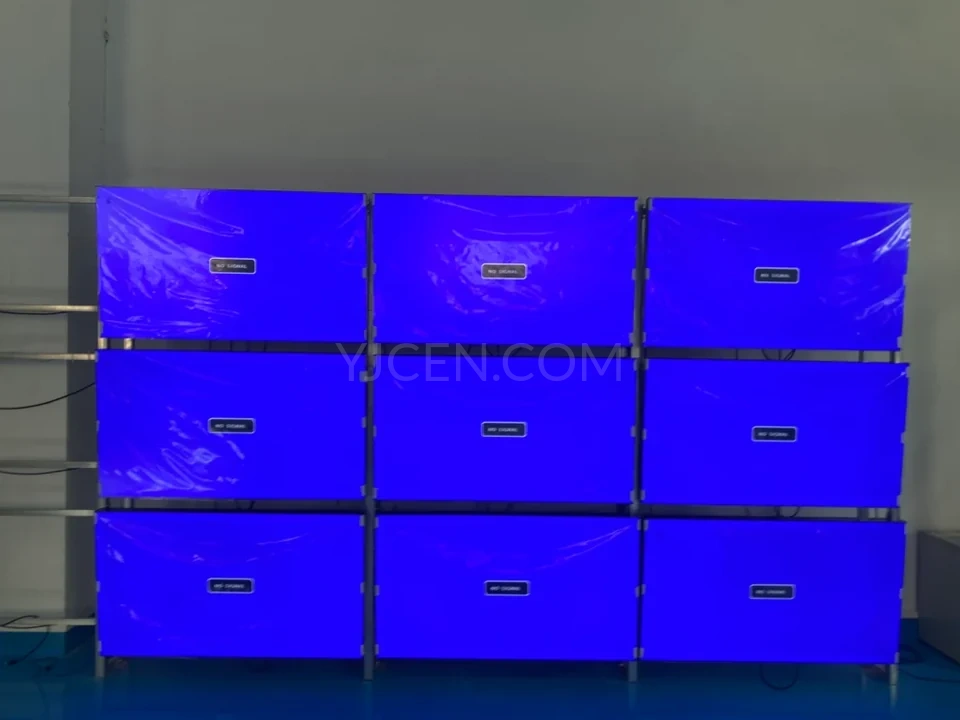
An LCD video wall combines separate panels into one larger display area. It can present a shared map, a presentation or video across the wall. With the appropriate controller, several sources can occupy different parts of the layout at the same time.
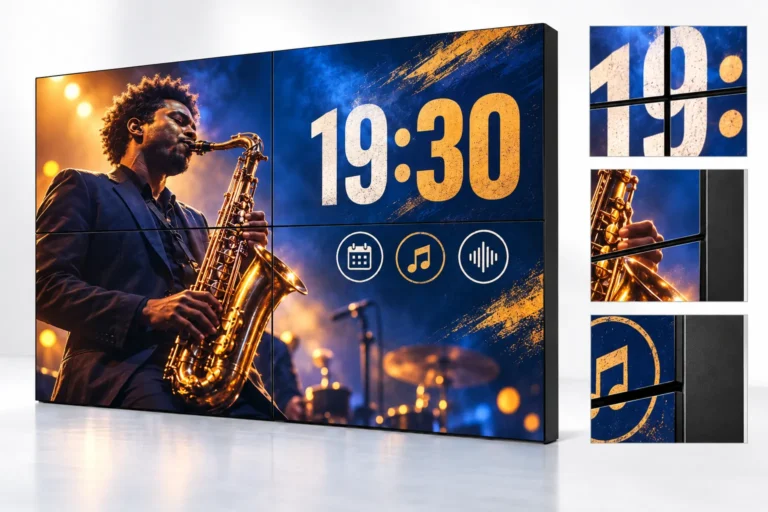
The range offers 0.88, 1.8 and 3.5mm bezel options. A narrow bezel video wall reduces the visible borders where panels meet, which is useful for maps, graphics and images extending across more than one panel. The panels remain separate screens with visible joins.
Choosing the bezel is part of selecting the panel configuration. The effect can be reviewed with the actual content, especially where a number, a line of text or an important graphic falls close to a panel boundary.
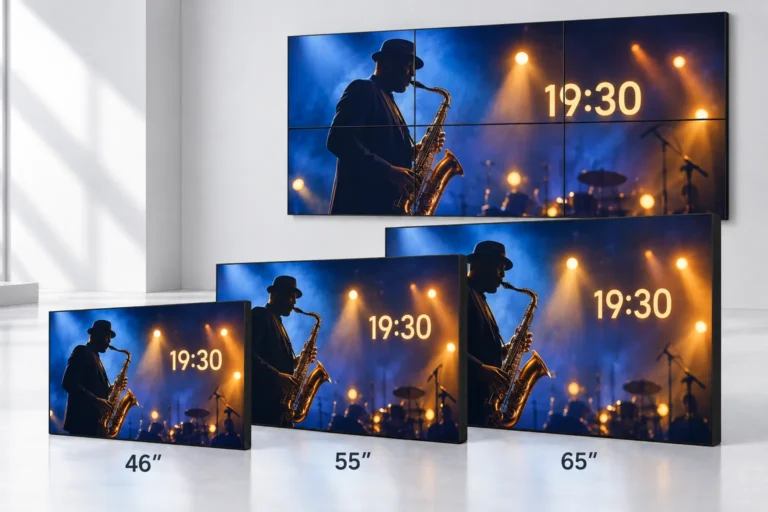
LCD video wall panels are available in 46, 55 and 65-inch formats. The number of rows and columns determines the overall display size and shape. Different grids can create a wide presentation area or a more compact shared information display.
The LCD video wall panels offer 500–700-nit brightness options and a 178° viewing angle. The chosen panel defines its native resolution, dimensions and brightness. Use those values when specifying the overall grid and the mounting arrangement.
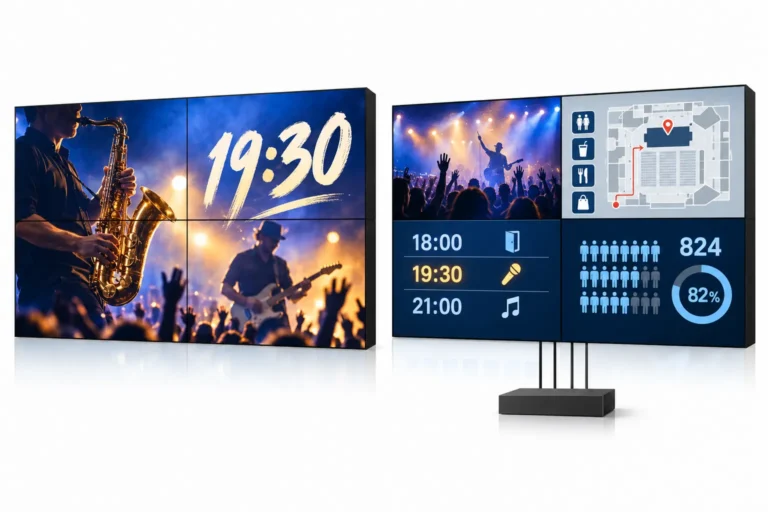
An LCD video wall display can show one image across several panels or divide the wall between sources. A control room may use separate areas for maps, status information and video. An exhibition may use the whole wall for a single presentation.
The controller and source equipment determine routing, scaling and window layouts. These are specified with the panel configuration so the finished system can display the required sources in the intended positions.
| Specification | Details |
|---|---|
| Screen Size | 46 / 55 / 65 inches |
| Bezel Options | 0.88 / 1.8 / 3.5 mm |
| Brightness | 500–700 nits, depending on panel configuration |
| Viewing Angle | 178° |
| Display Layouts | One image or multiple sources with the selected controller |
| Signal Features | 4K and HDR support with appropriate system configuration |
| Resolution | Specified per selected panel |
| Installation Environment | Indoor |
Control rooms can use a video wall for shared operational information. Meeting spaces can present several sources to a group. Exhibition halls can use the combined display area for media presentations and larger visual content.
For data displays, the size of text and charts should suit the room’s viewing positions. For video and presentations, the panel grid becomes part of the visual layout. The same panel family can support these uses with a suitable controller and content arrangement.
Start with the available wall width and height, viewing distance and number of sources. Select the panel grid, then define which sources need to be visible together and how frequently the layout will change. Check that important text and graphics do not fall across panel joins.
4K signal and HDR support depend on the source and control configuration. Input resolution, the total pixels across the grid and one panel’s native resolution are separate specifications. Include the required mounting and controller equipment in the quotation scope.
For a single wall-mounted screen, explore our indoor digital signage. For an independent display position on the floor, see floor-standing digital signage. A video wall is most useful when the project needs a panel grid or several sources sharing a larger display area.

The wall is assembled from separate panels. Narrow bezels reduce the visible borders, but a join remains between adjacent screens.
Yes, with a controller and source setup that supports the required layout. Source routing and window arrangements are defined as part of the system.
The panel dimensions, row and column count and mounting arrangement determine the finished size. Use the selected panel drawings to check the full installation against the available wall.
Compare the available panel specifications and view representative content with the intended joins. A map or continuous image may need a different bezel choice from a layout with separate information areas.
No. 4K input support, total wall resolution and native panel resolution are different specifications. Each is defined for the selected system.
The quotation specifies the panel, mounting and controller scope. Controller selection depends on the number of sources and how they need to appear on the wall.
Share the available wall dimensions, proposed panel grid and number of video sources for a system quotation. Contact YJCEN.
Explore more products from our digital signage collection

<p>YJCEN self-ordering kiosks combine a touchscreen, receipt printer and configurable payment hardware for restaurants, cafés and canteens. Choose wall-mounted or floor-standing installation and a 21.5, 27 or 32-inch screen to suit your ordering area.</p>
<ul><li>21.5 / 27 / 32-inch capacitive touchscreens</li><li>Wall-mounted or floor-standing installation</li><li>Integrated 80 mm thermal receipt printer</li><li>QR code and NFC payment configurations</li></ul>

<p>YJCEN outdoor digital totems are floor-standing displays for fixed outdoor advertising and information points. The range includes eight sizes from 32 to 98 inches, with up to 3,000-nit brightness, automatic brightness adjustment, an IP65 enclosure and anti-glare tempered glass.</p>
<ul><li>32–98 inch screen sizes</li><li>Floor-standing outdoor enclosure</li><li>3,000-nit brightness with automatic adjustment</li><li>IP65 protection and anti-glare tempered glass</li></ul>

<p>YJCEN interactive kiosks provide touchscreen hardware for visitor information, directories, product content and wayfinding applications. The range includes ten screen sizes from 15.6 to 65 inches for retail and public interiors. Application software is selected for the project.</p>
<ul><li>15.6–65 inch screen sizes</li><li>Commercial touchscreen kiosk hardware</li><li>For information, directories and interactive content</li><li>Application software selected for the project</li></ul>